
Last Updated on 04/30/26 by Rose Palmer
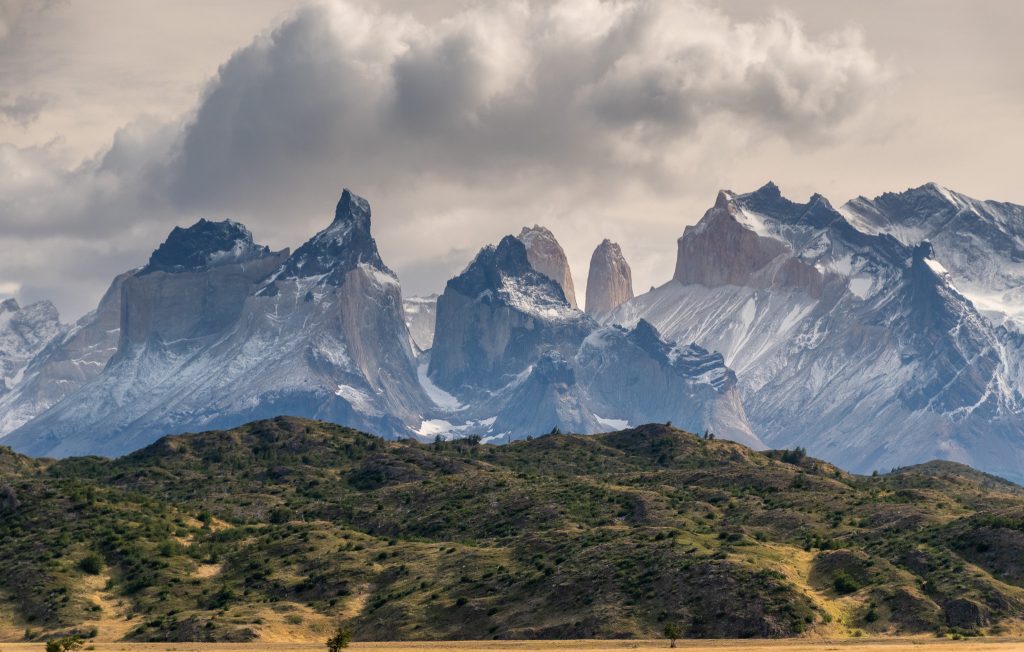
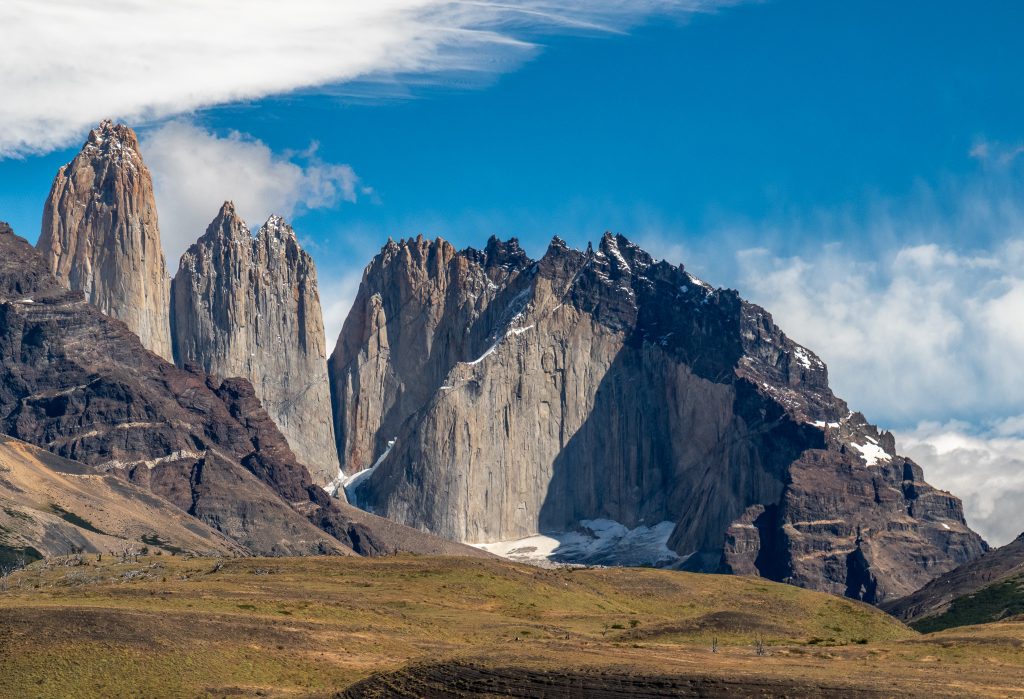
Torres del Paine means Tower of Blue, so named for the three enormous, granite spikes that seem to rise like the mighty titans born of the earth.
The Torres del Paine massif is part of the long Andean mountain chain, which makes up Chile’s spine. But the Torres mountains are much younger in geologic terms and sit slightly apart, almost like an island unto themselves. They rise abruptly above the plains and grassy steps that surround them, making them appear even more imposing.
Our Patagonia trip began in El Calafate, Argentina, as we explored the Los Glacieres National Park. A six-hour bus ride transferred us to Puerto Natales, Chile, where we rented a car and headed to Punta Arenas to see penguins. Now we were back in the Puerto Natales region, ready to explore this grand landscape.
Where to stay in Torres del Paine
Puerto Natales is the gateway town to Torres del Paine and offered many hotel options in all price ranges. However, it was still a 90-minute drive into the park from town, so I chose to stay at the lovely Pampa Lodge just outside the southern Serrano Park entrance. Hotels in or near the park were quite pricey, but the splurge was worth it, especially for the beautiful views from our hotel room window.
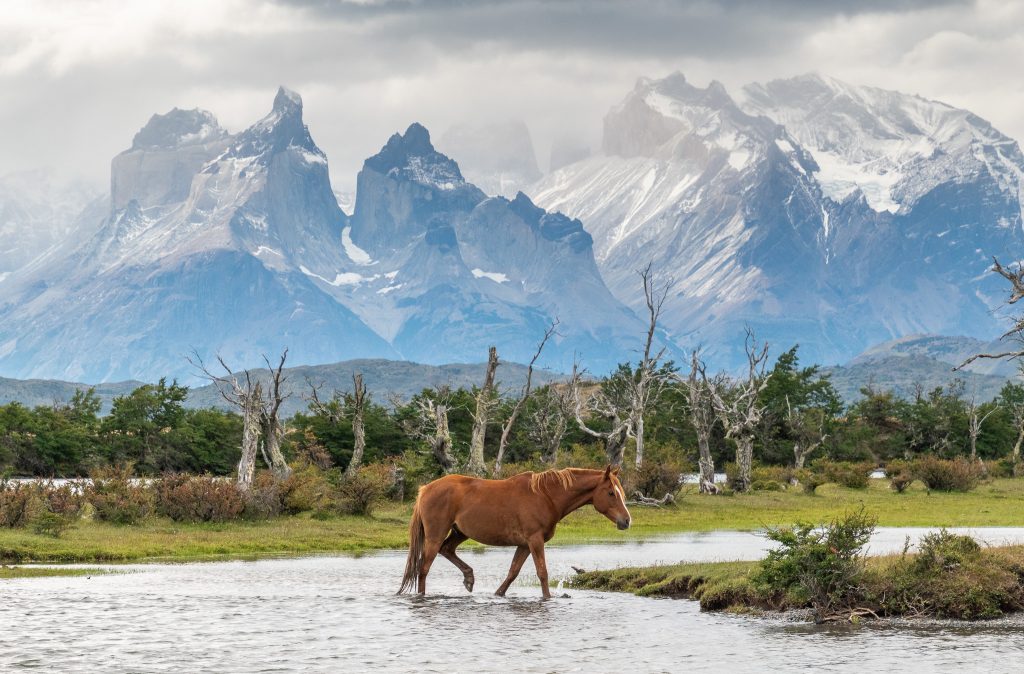
From Puerto Natales, Rt 9 is the main artery, heading north toward the park and then ending abruptly 2 hours later near the Argentine border. A half hour outside of town, route Y-290 took us toward our hotel and the southern park entrance. The paved road quickly turned to gravel, adding an hour to our drive to our hotel. These gravel roads were typical inside Torres del Paine.
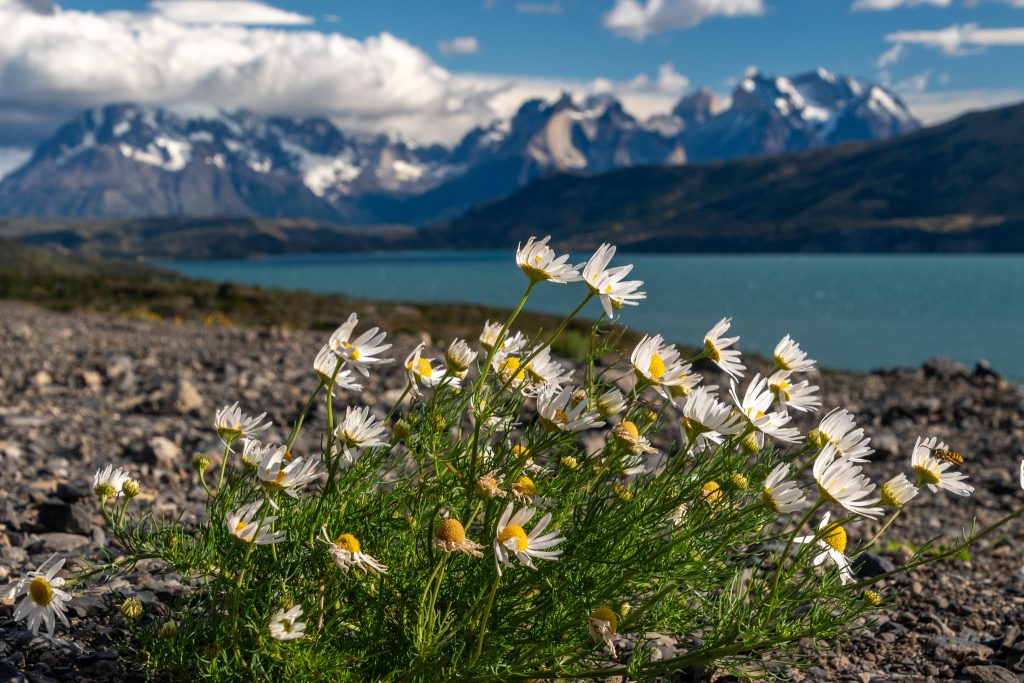
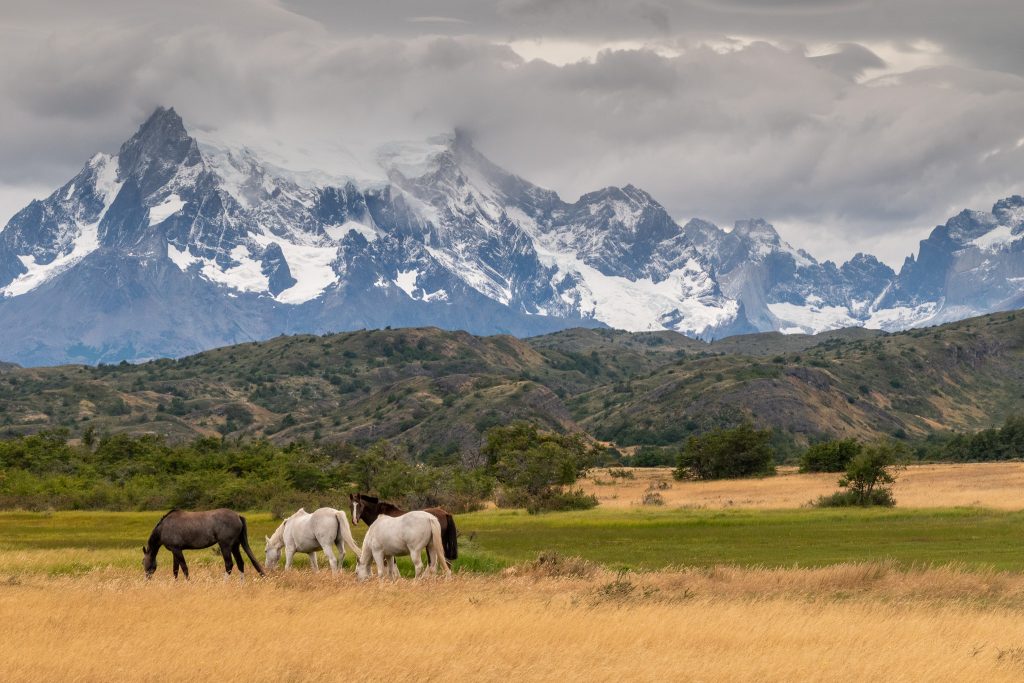
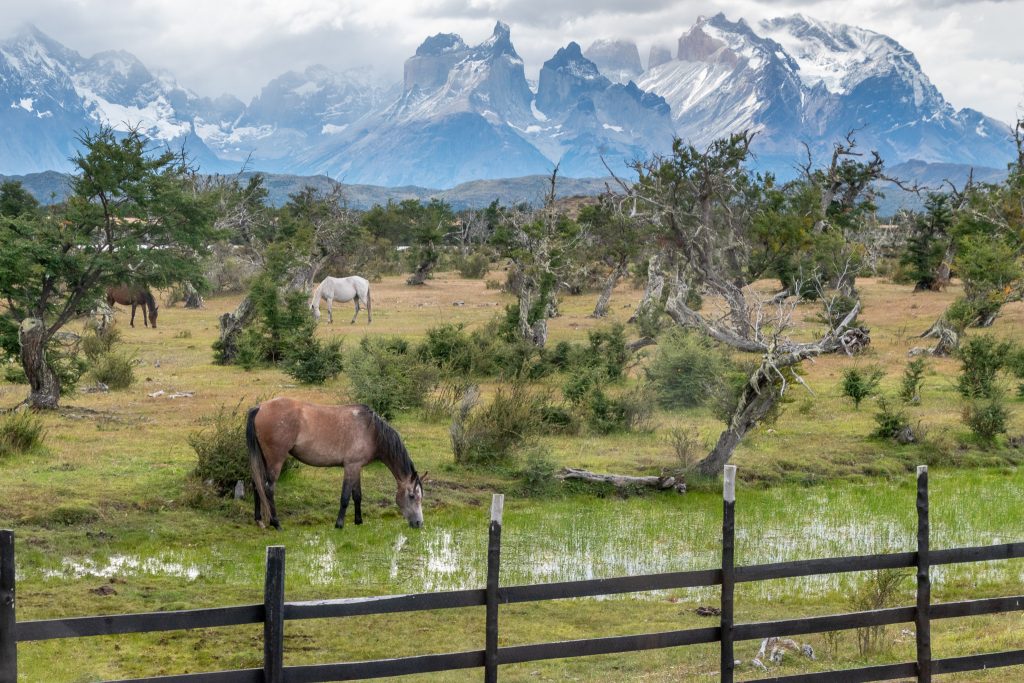
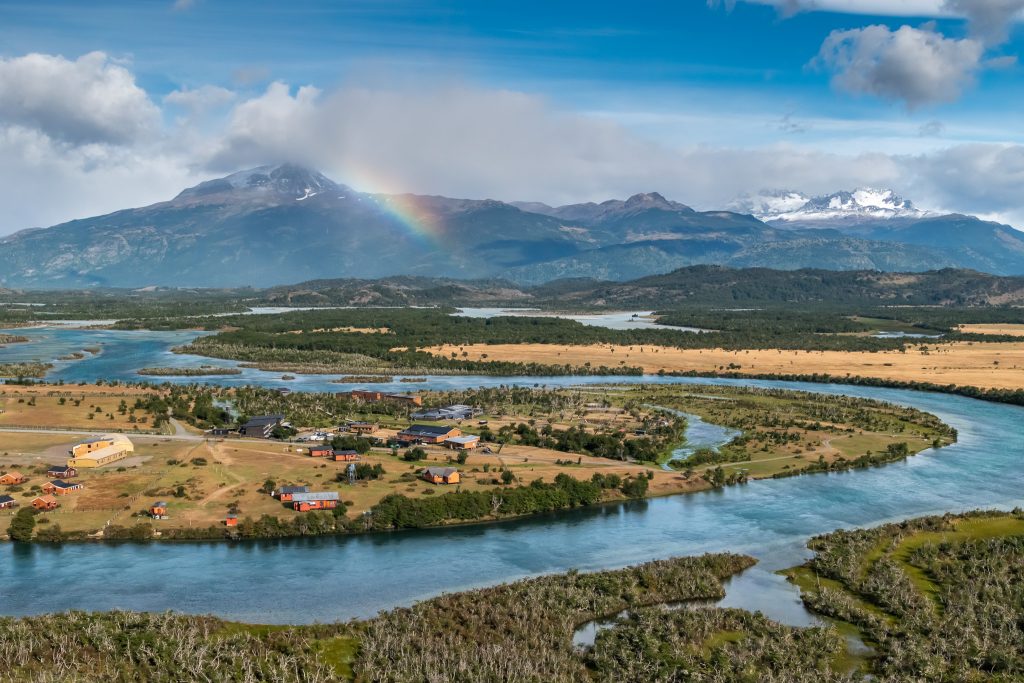
The lodge was close to the Serrano River with a clear sightline of the park’s distant mountains. The hotel was surrounded by Nirre trees and wetlands, which were a haven for the lodge’s grazing horses. With a modern, minimalistic decor that emphasized natural local elements along with huge south-facing picture windows, it was a treat to sit in the lounge on the days that the weather was less than ideal.
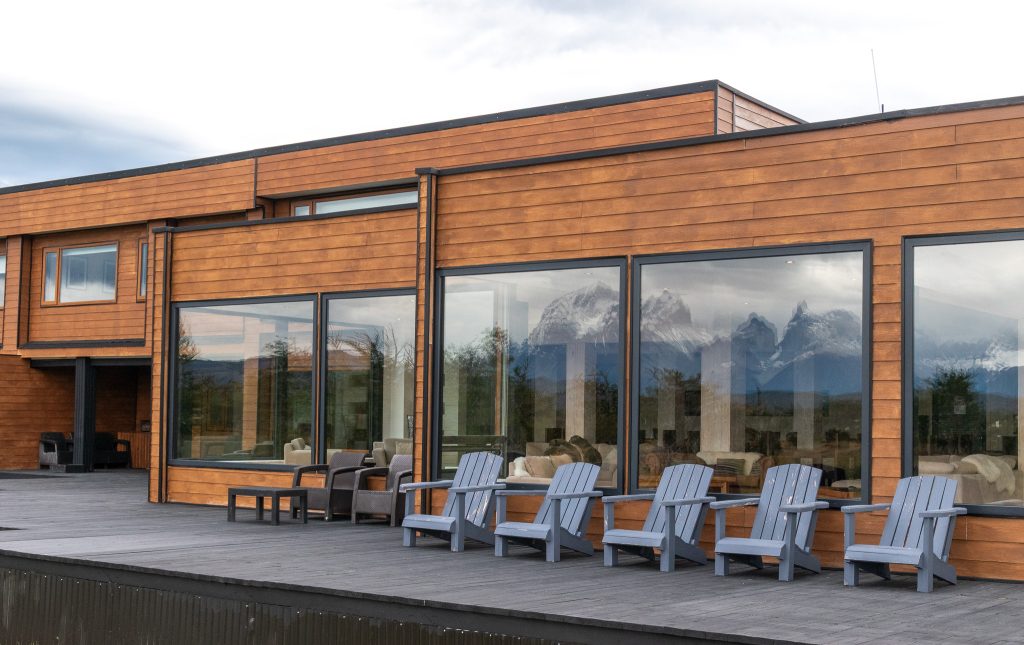
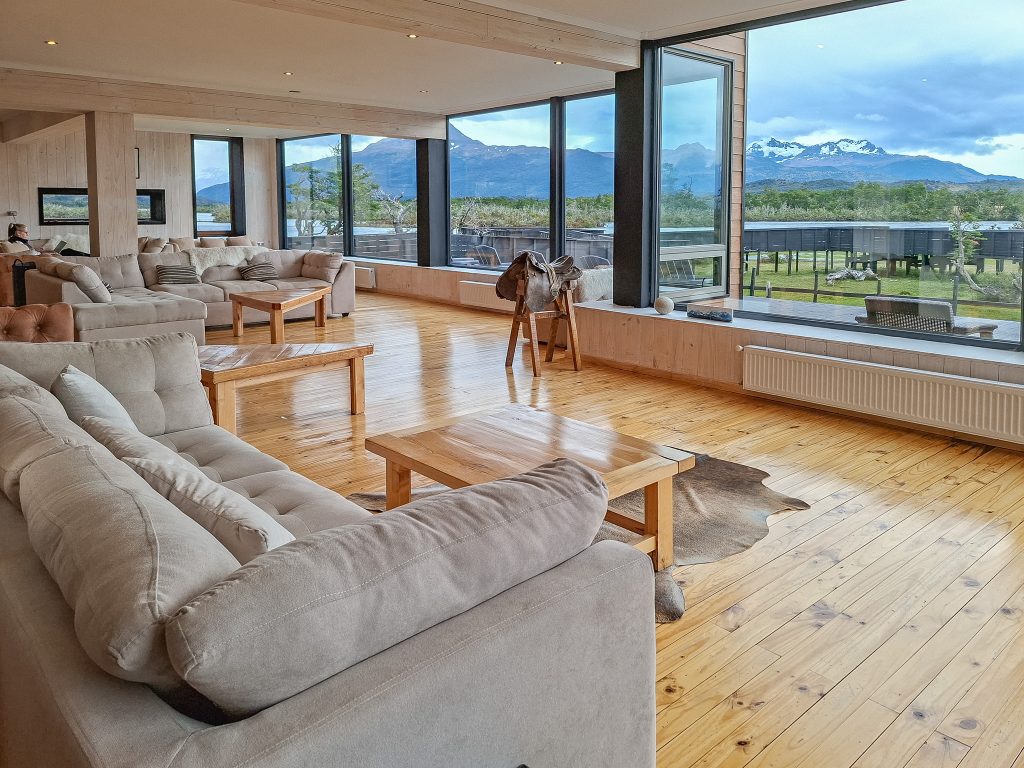
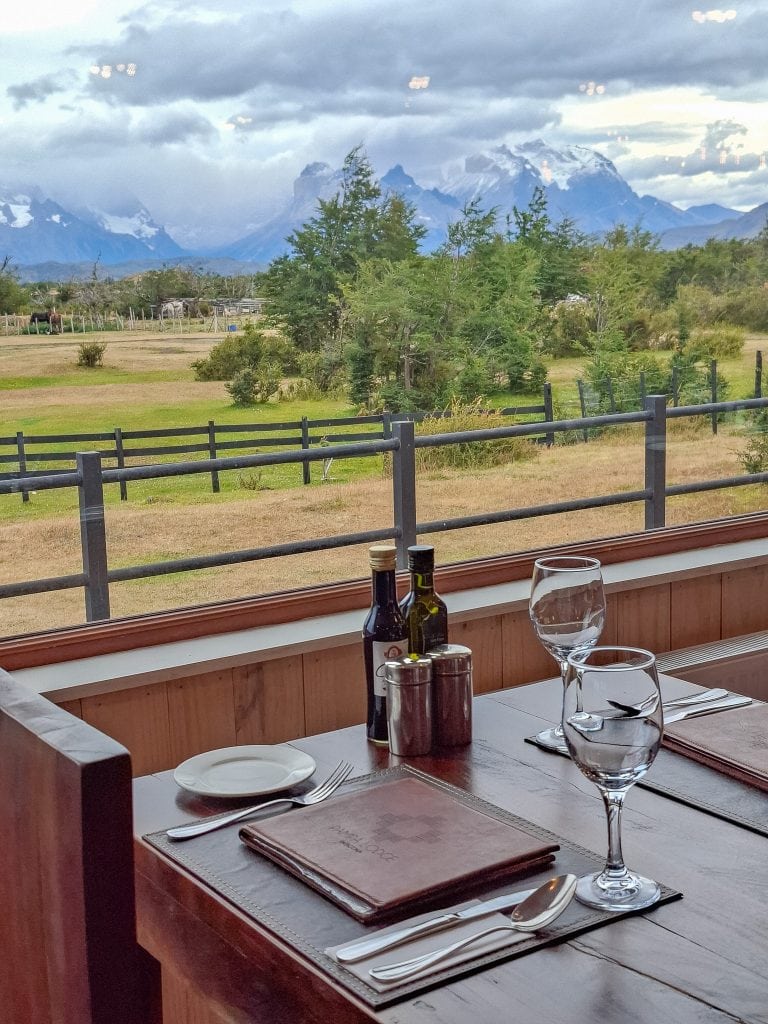
The included breakfast buffet was served in the hotel lounge space. A la carte lunch and dinner were available at the Don Pasqual restaurant next door, which was where we ate most of our meals. We shared quite a few of the dishes on the menu and liked everything we tried.
Our three days in Torres del Paine National Park
Day 1 in Torres del Paine
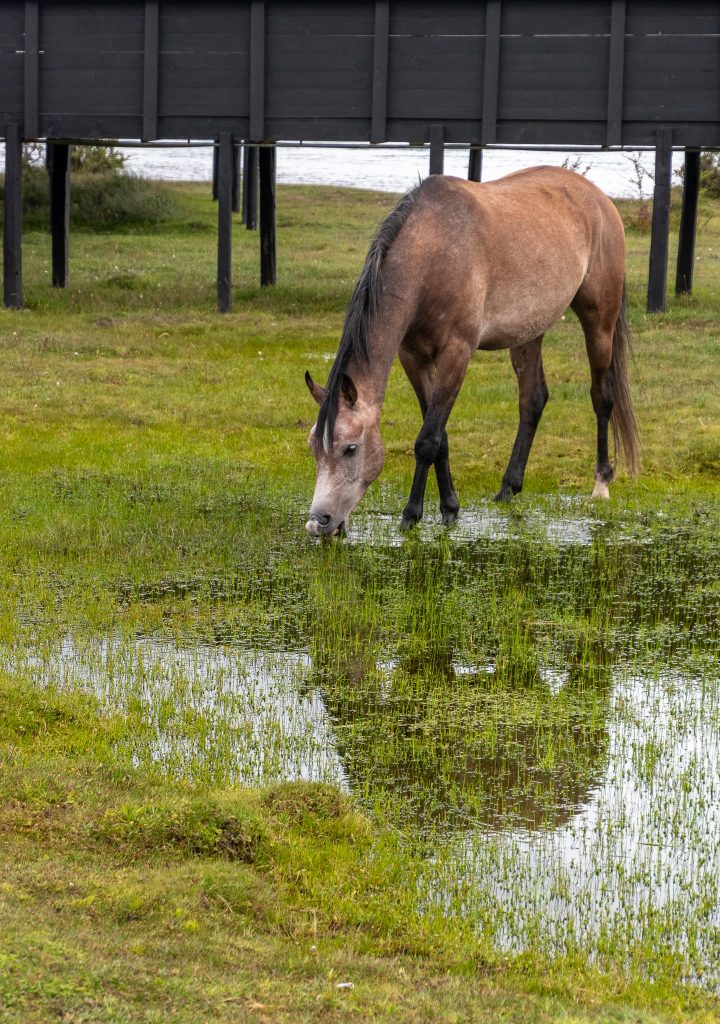
I am glad we booked three days in the park because our first full day was overcast and rainy. We tried going to a few overlooks but couldn’t see much. Instead, we relaxed in the lounge and enjoyed watching the horses and the antics of the lodge’s dogs. I was also feeling the beginnings of a cold coming on, so it was nice to have a restful day.
Day 2 in Torres del Paine
Our second day dawned sunny with lots of puffy white clouds, perfect for sightseeing. The distant Torres were finally visible from our hotel window, urging us onward for closer views.
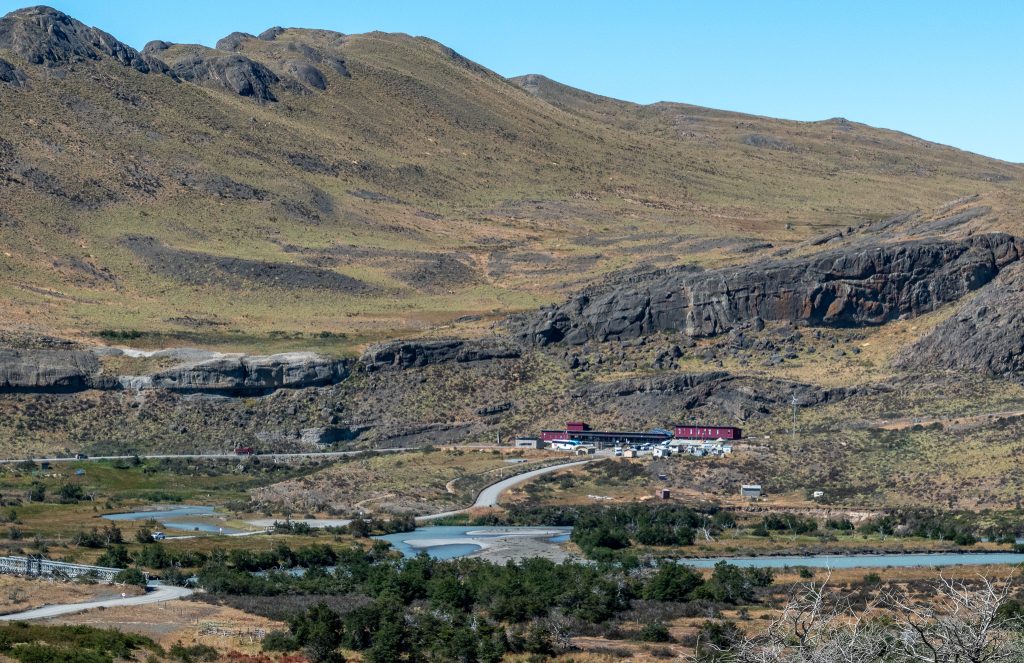
From the hotel, we drove up the hill toward the Serrano Park entrance. At the top, we reached our first “mirador” or viewpoint over the vast river valley and toward the mountain range. From there, we had a perfect view of our lodge and the other hotels sitting in the peninsula formed by the bend in the Serrano River.
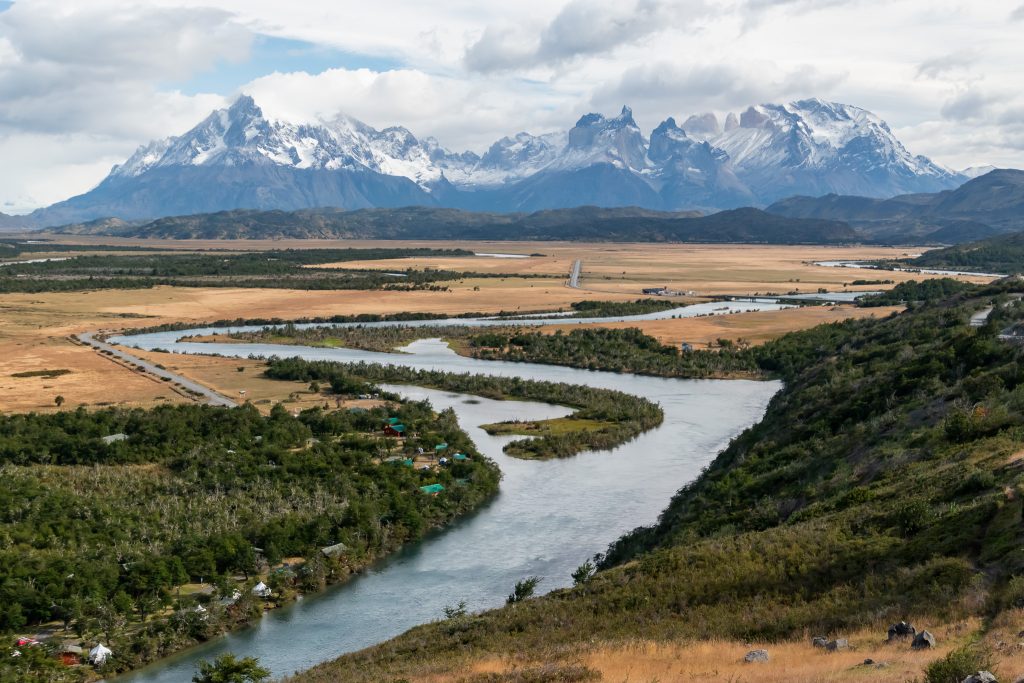
At the Serano visitor entrance office, we checked in with our passes and learned that we were required to show these visitor passes each day that we entered the park. Past the entrance, the road continued as Y-290 north into the park.
At the Y in the road at the administrative headquarters, the road now became Y-150 in both directions. We took the left turn toward Lago Grey. There was a much-advertised cruise on the lake, but we chose not to take it since it required a 45-minute walk to the marina.
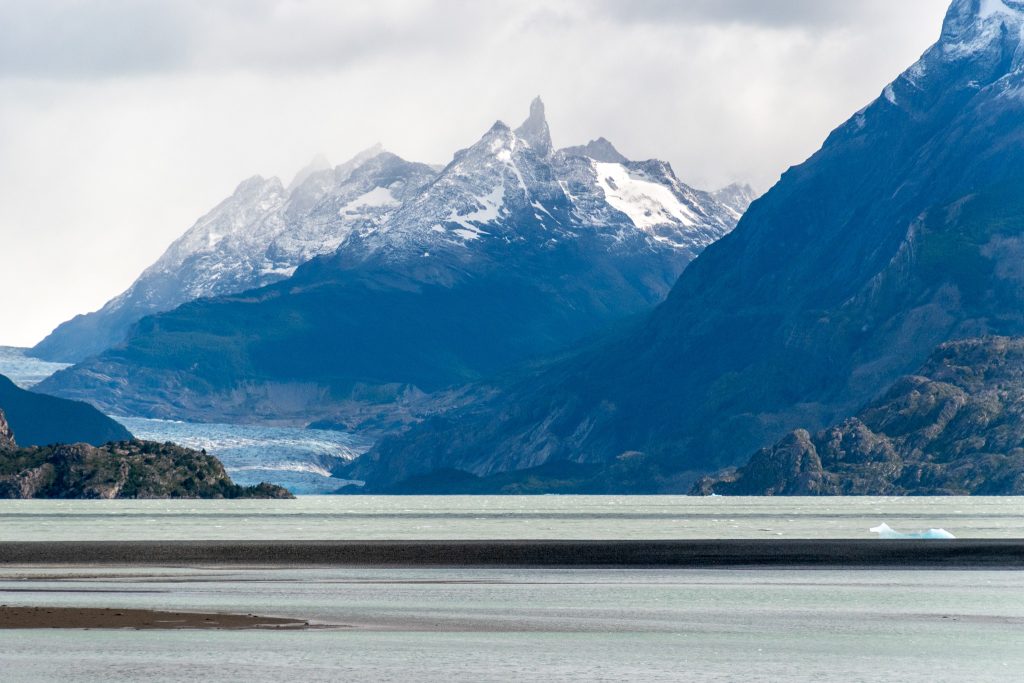
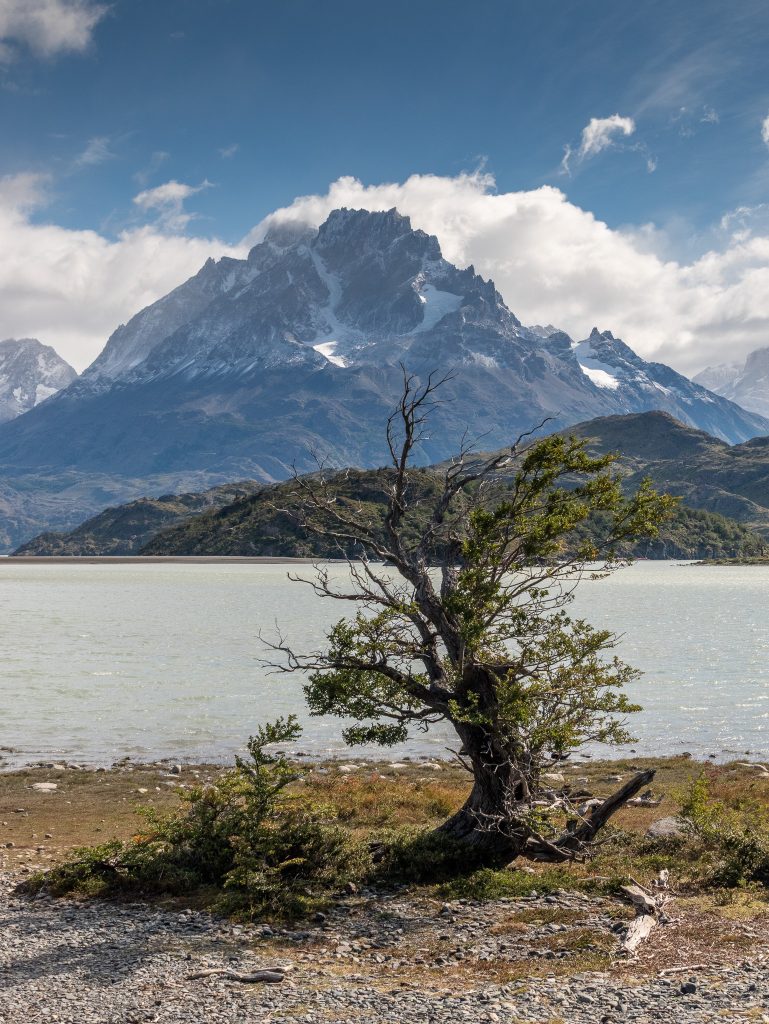
Back on Y-150 heading north, the next viewpoint was at Puente Weber, where the morning sun turned the water in Lago Toro into an unbelievable shade of turquoise. The road continued hugging the lake, offering unending beautiful photo opportunities.
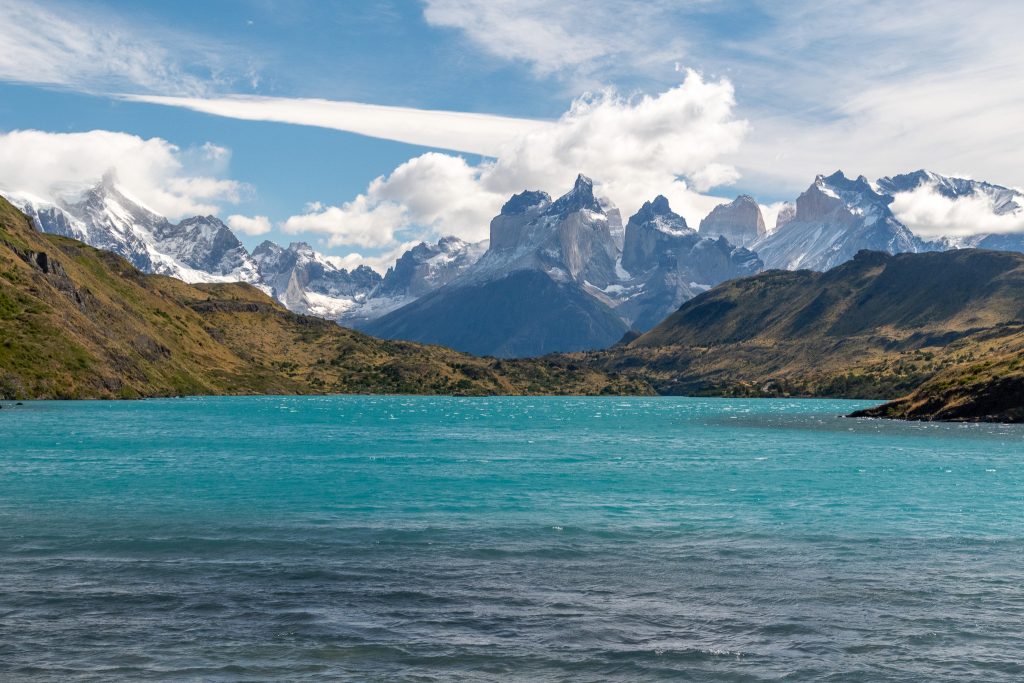
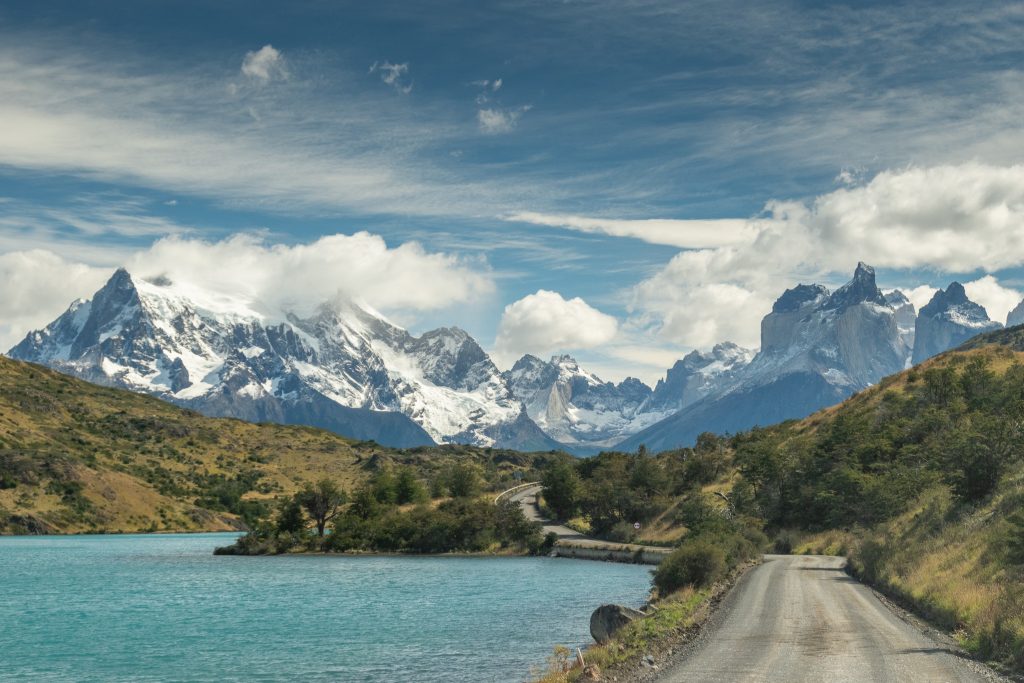
At the pull-off for the Explora Patagonia Hotel, a trail led up to an overlook over the lake.
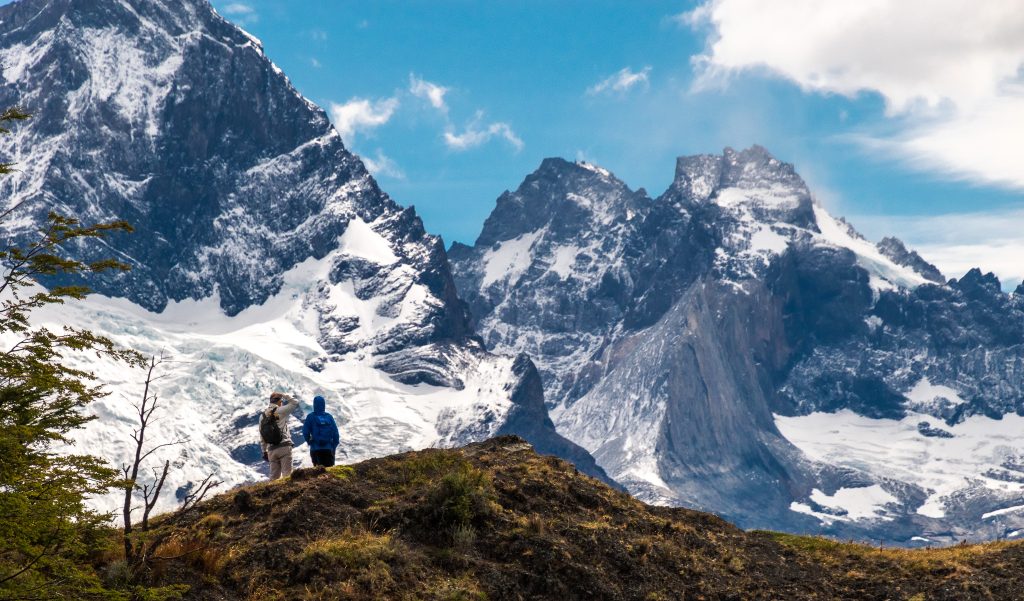
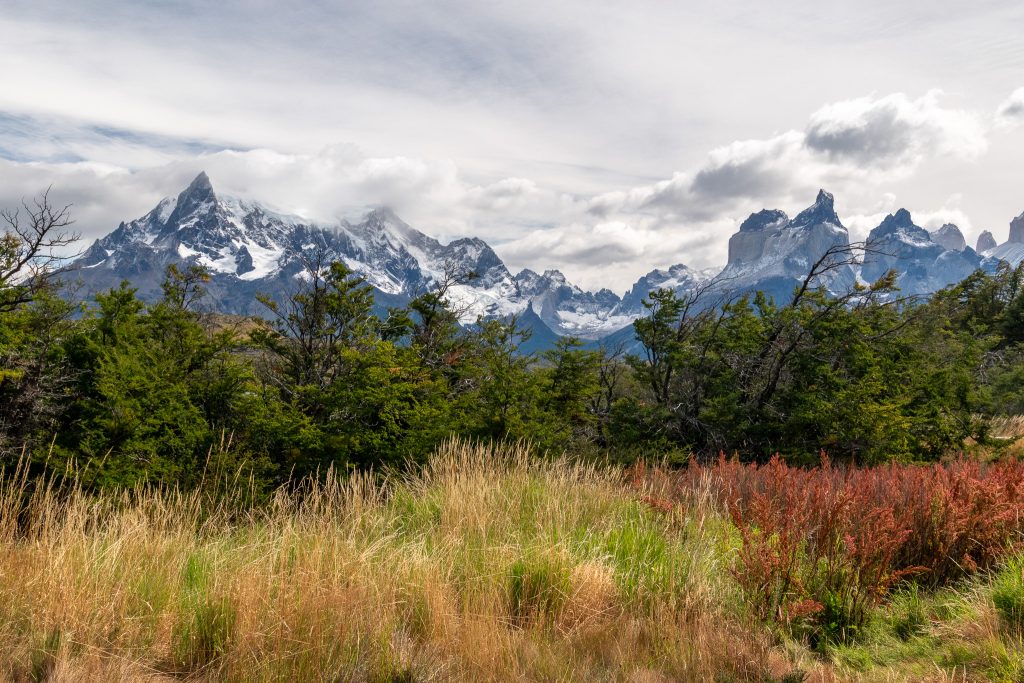
By the time we reached Lake Peho, it was lunchtime. A quick stop at the Restaurant Pehoe Barbecue filled our bellies. The food was just OK, but there weren’t many options in the park to choose from. The restaurant and associated camping area had wonderful views of the lake and the mountains beyond.
Just a little further on was the very photogenic Hosteria Pehoe with its red-painted building sitting prettily on its own island. Even though we just had lunch, we stopped for coffee and a pastry with more magnificent views, because, why not?
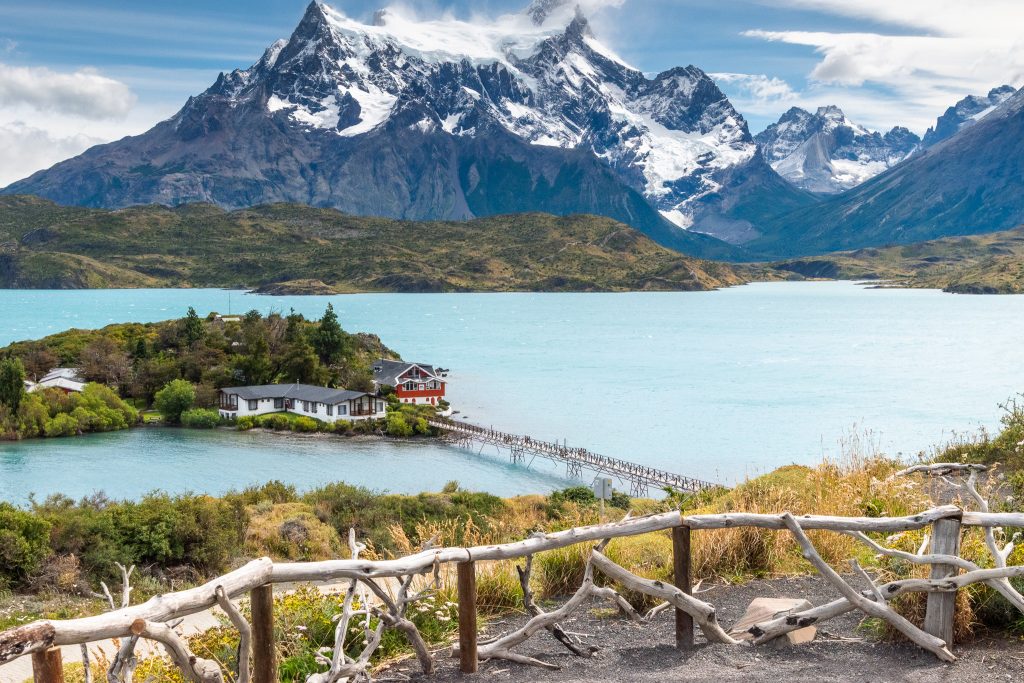
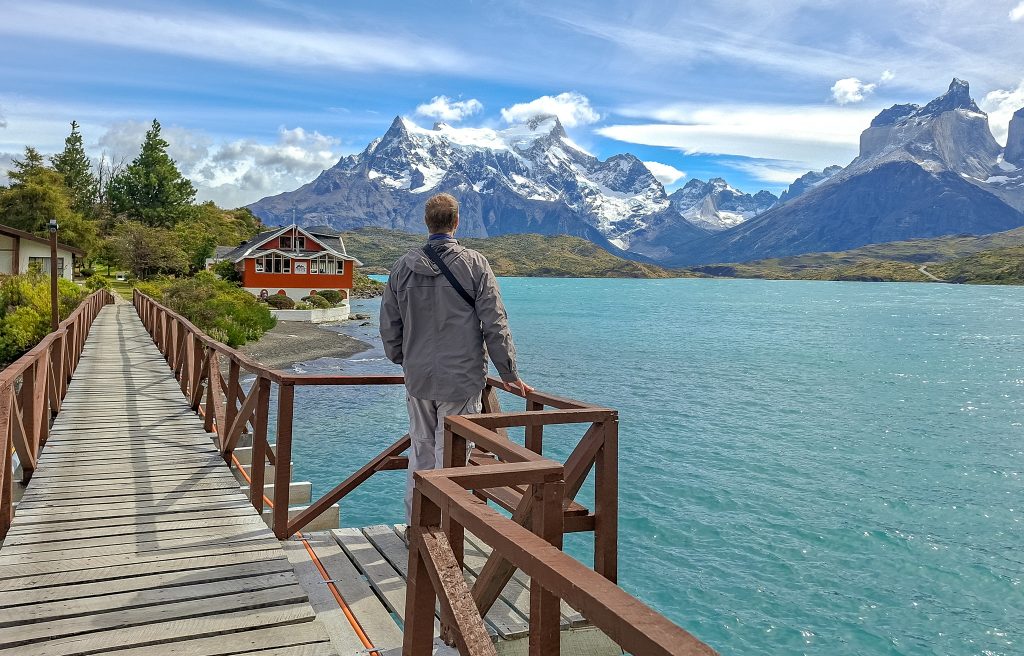
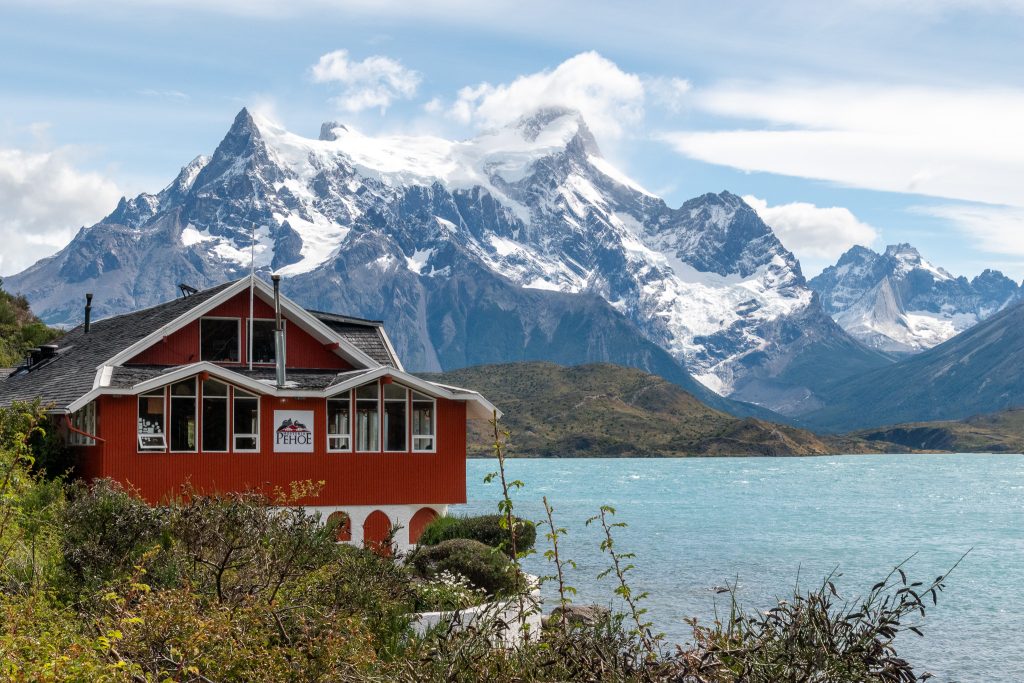
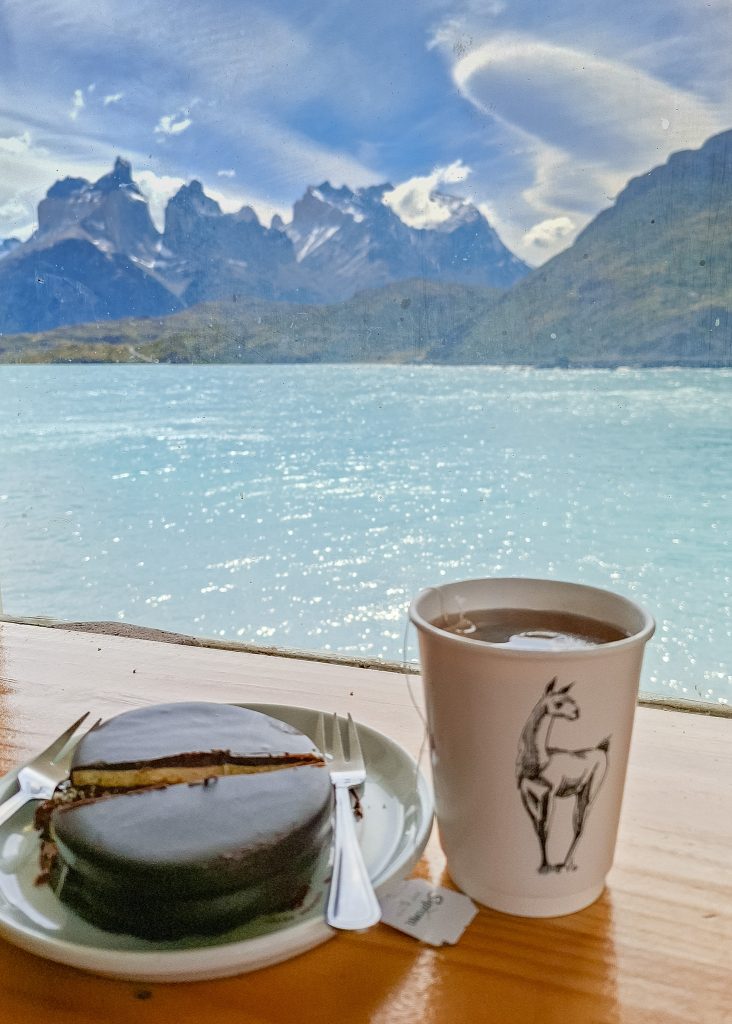
We continued our drive a little further to the viewpoint for the Cascada del Salto waterfall. The trunoff onto Y-158 would have taken us to a closer overlook of the falls, but we decided not to do that (after our recent three days at Iguazu Falls, any other waterfall paled by comparison).
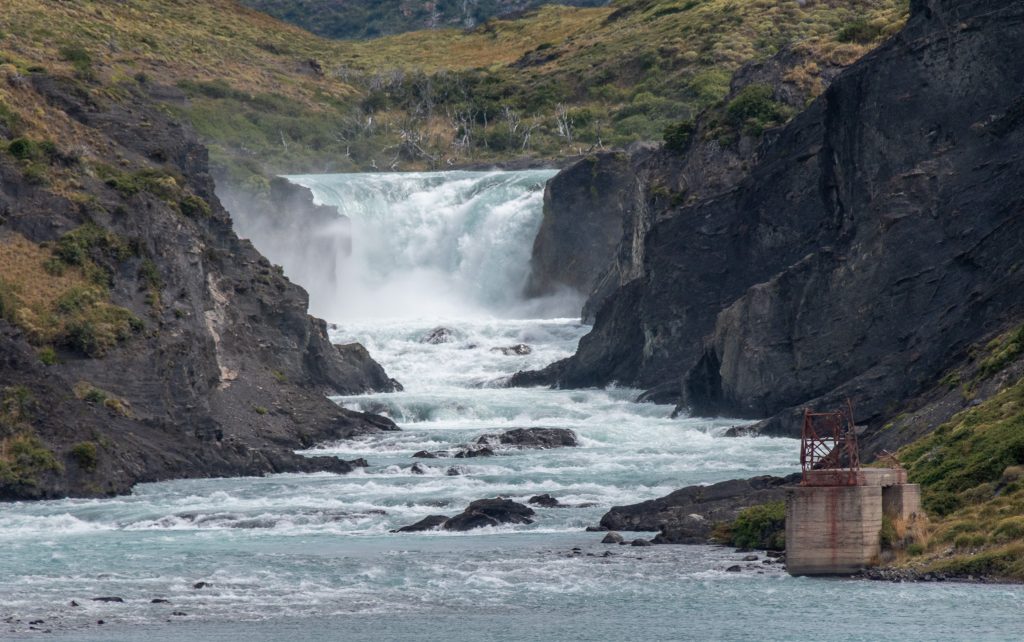
By this time, it was 3 PM, and it was beginning to get overcast again, so we chose to head back to the lodge for some downtime (I was still feeling the effects of a cold). We had spent most of the day leisurely exploring to this point, but it only took half an hour to drive back.
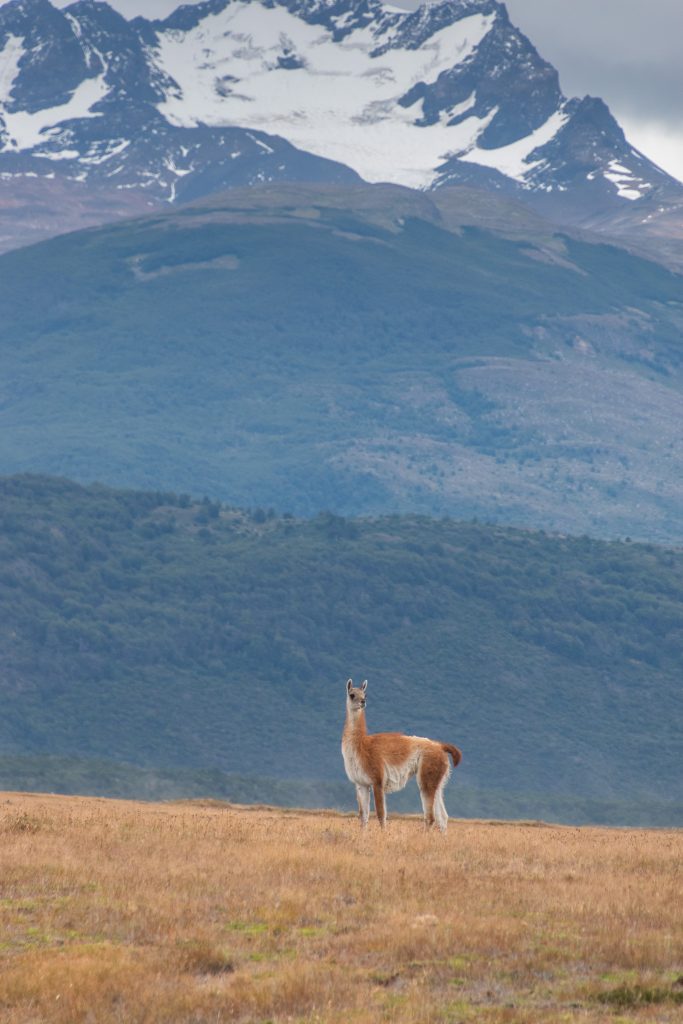
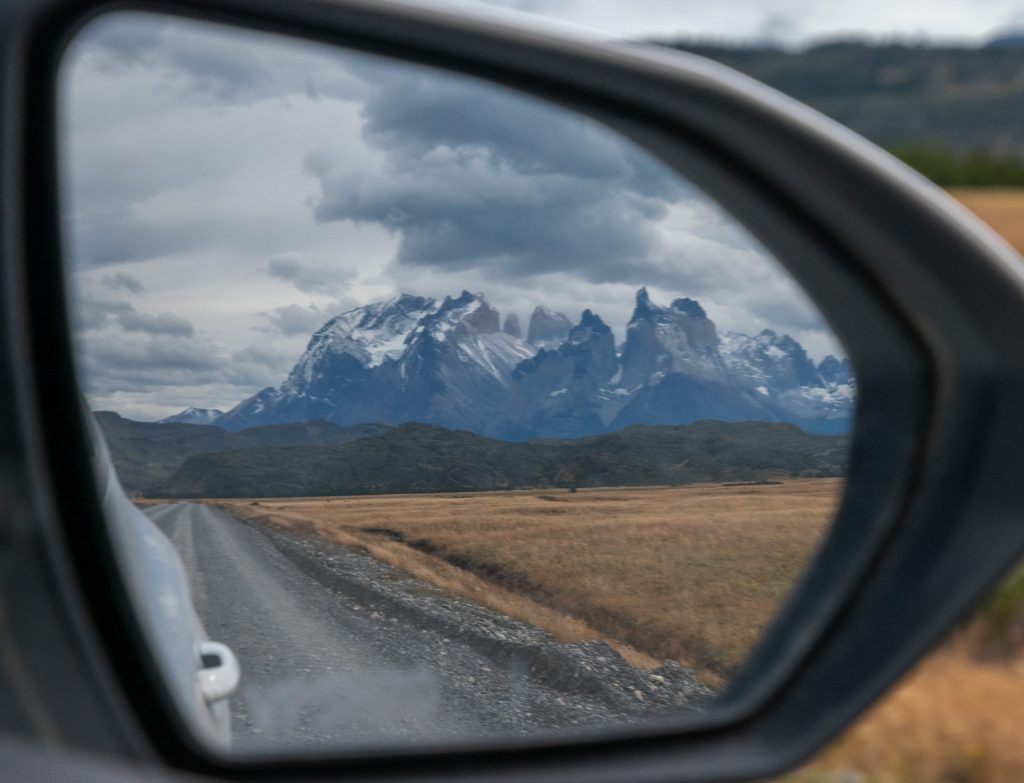
Day 3 in Torres del Paine
Another day that dawned with plenty of sunshine. After checking out from the lodge, we backtracked to the Salto Waterfall and continued our drive north along Y-150.
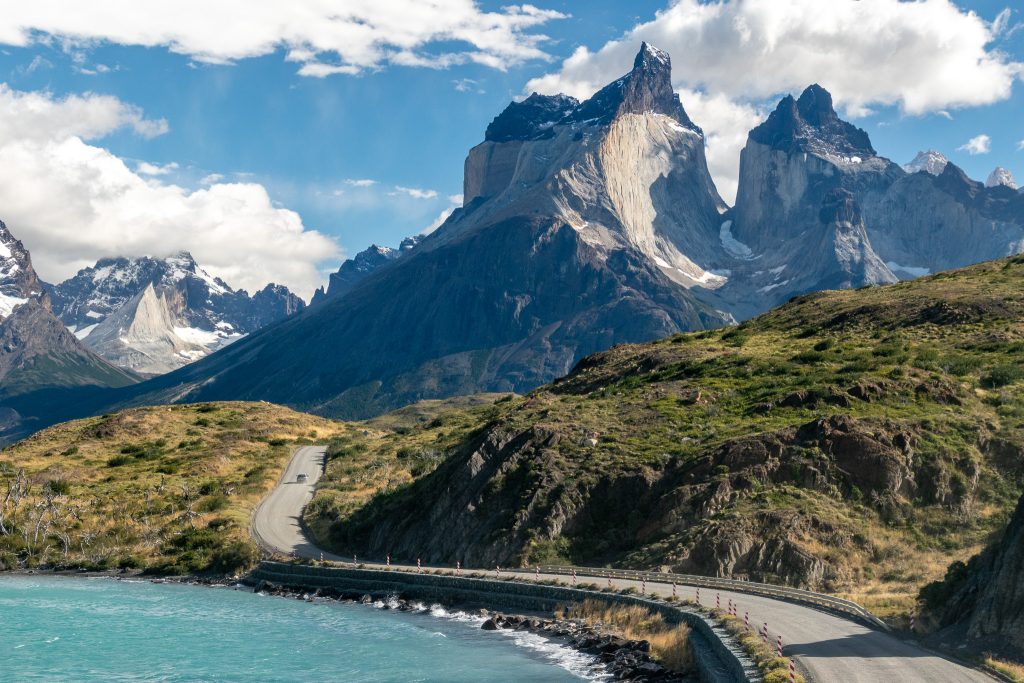
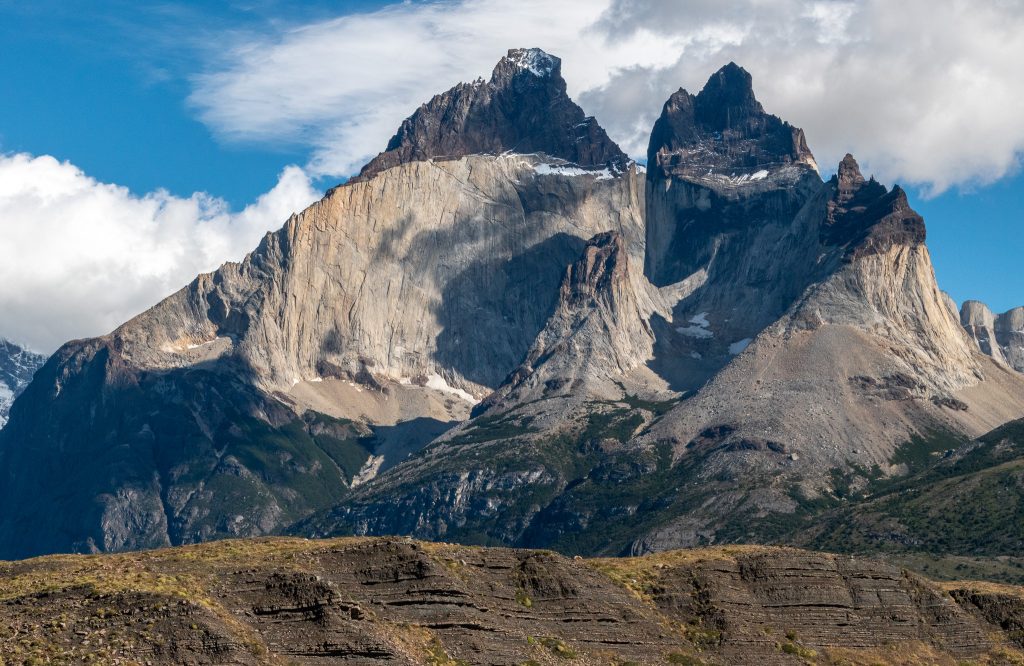
Mirador Lago Nordenskjöld had a large pull-off area for parking and spectacular views across the lake.
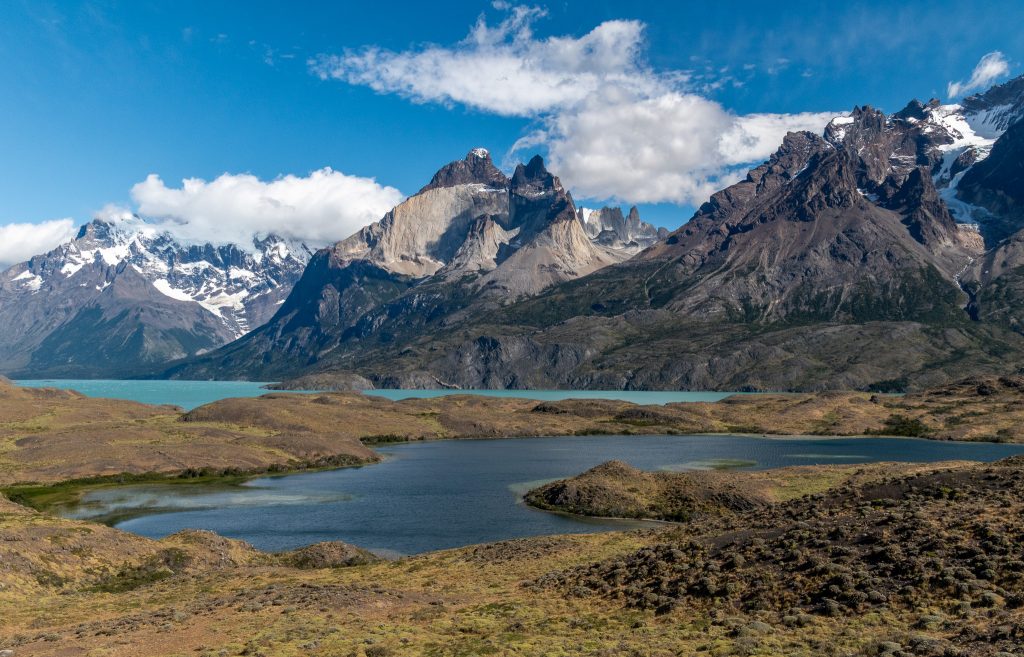
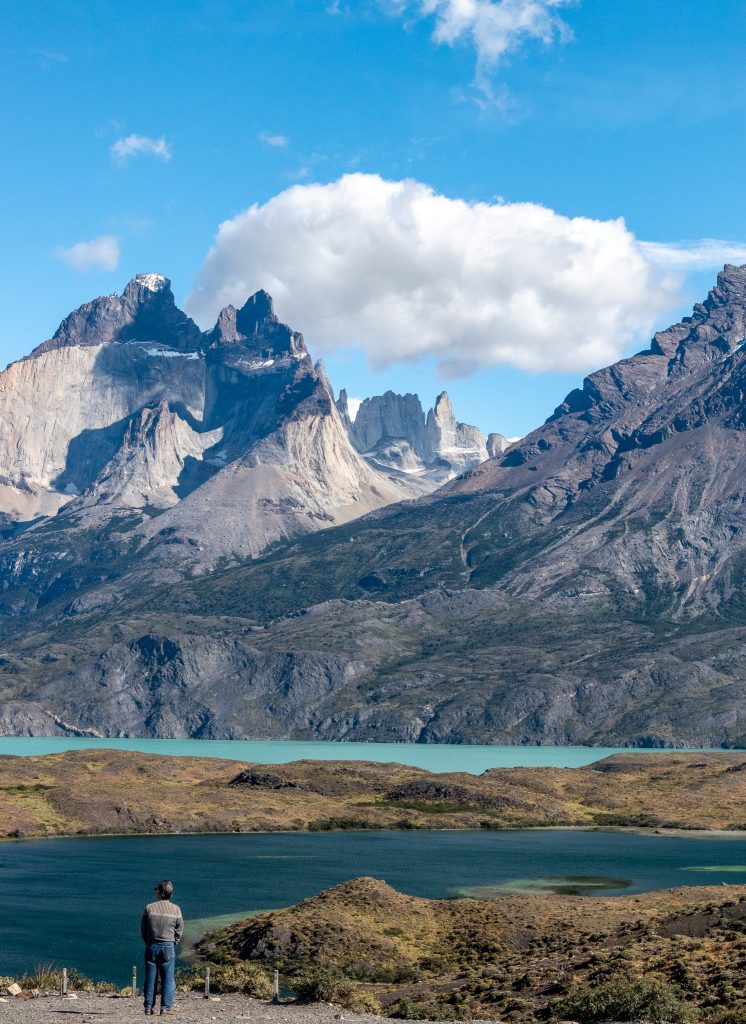
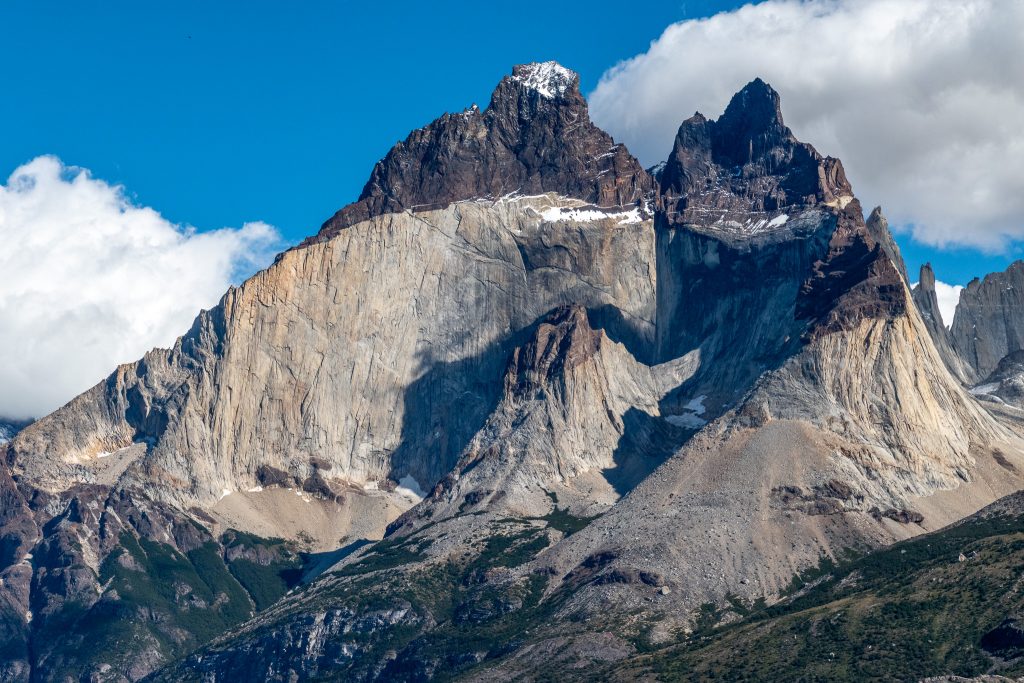
At the Laguna Amarga station, we turned left and took the new bridge across the river, and followed the road to the parking lot at the end of the road. This was where the very popular Towers hiking trail started, which explained the full parking lot.
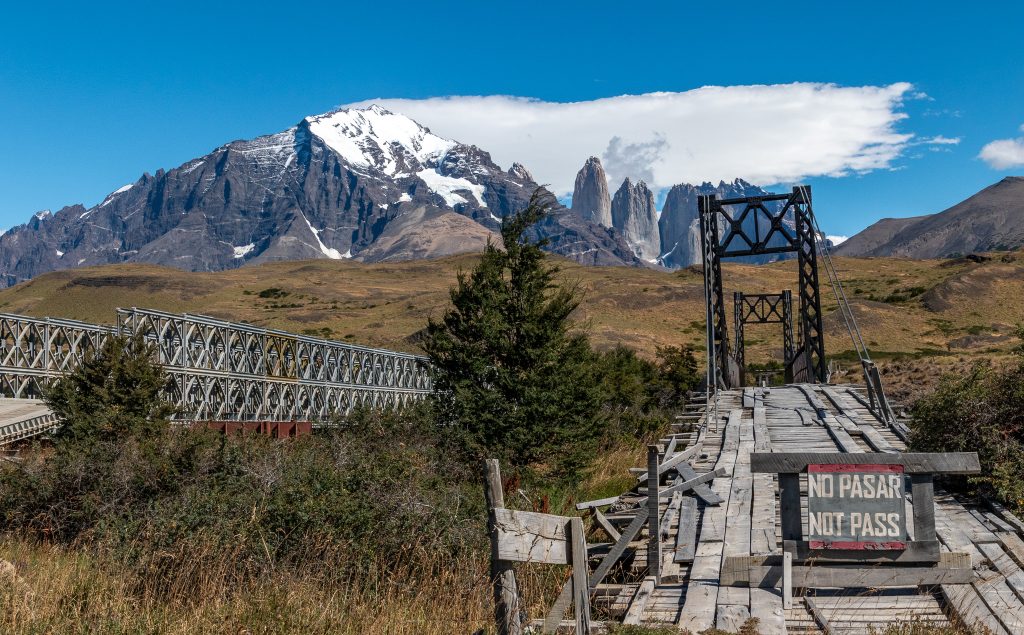
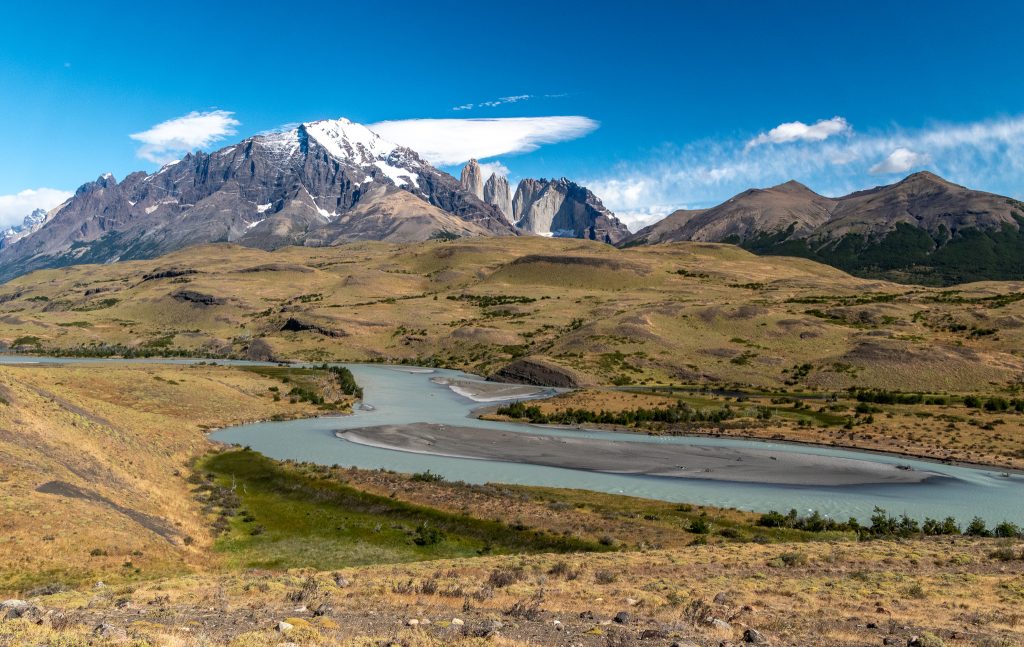
From this section of the park, we had a different perspective of the mountain range, making the Towers easy to see.
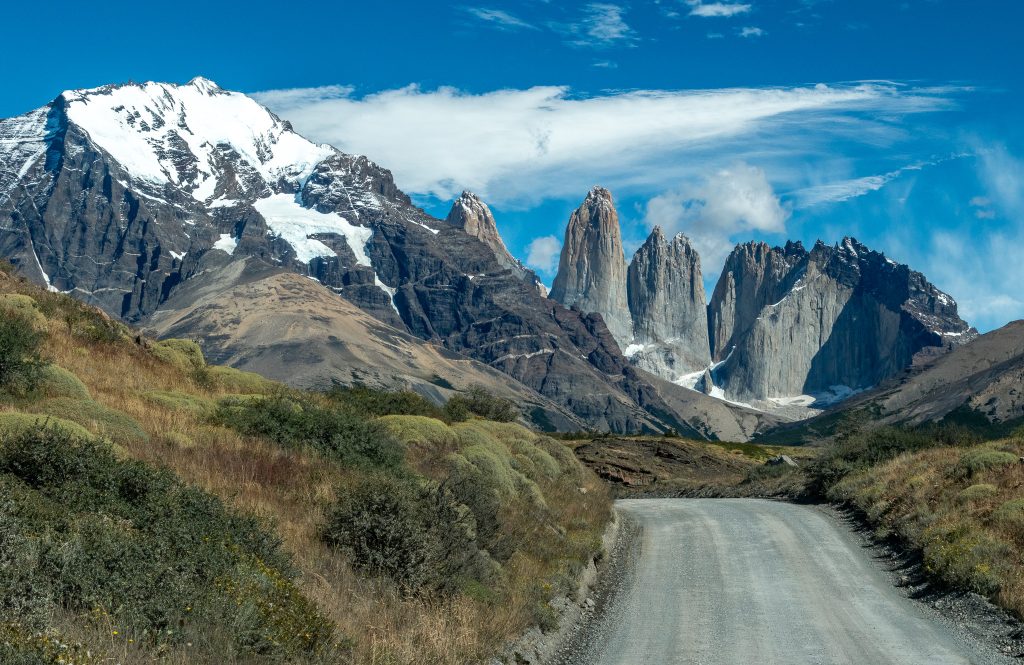
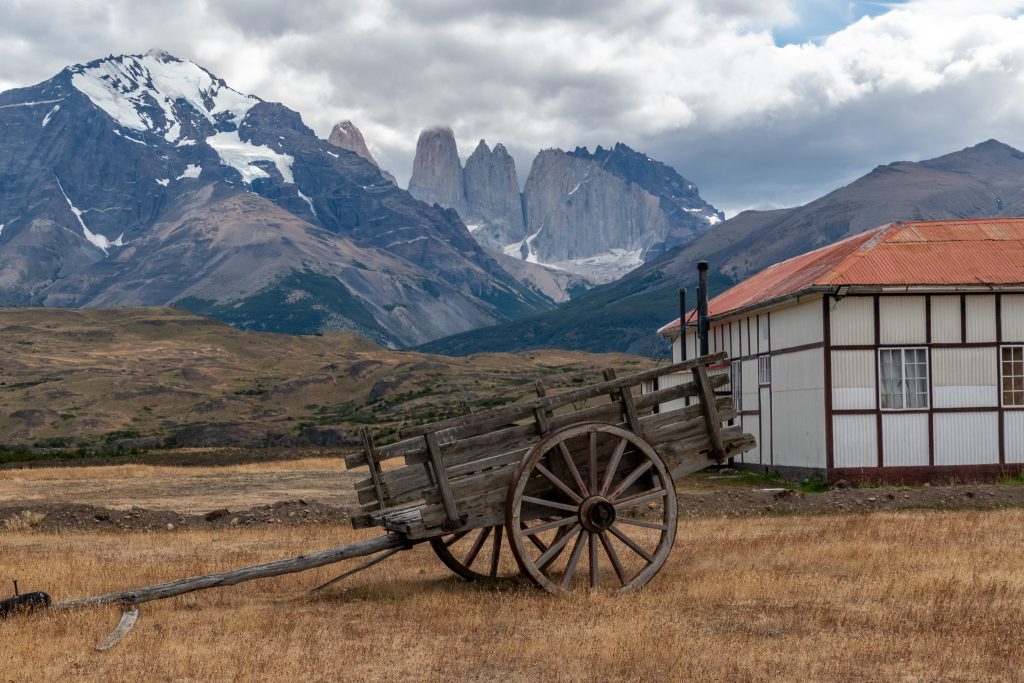
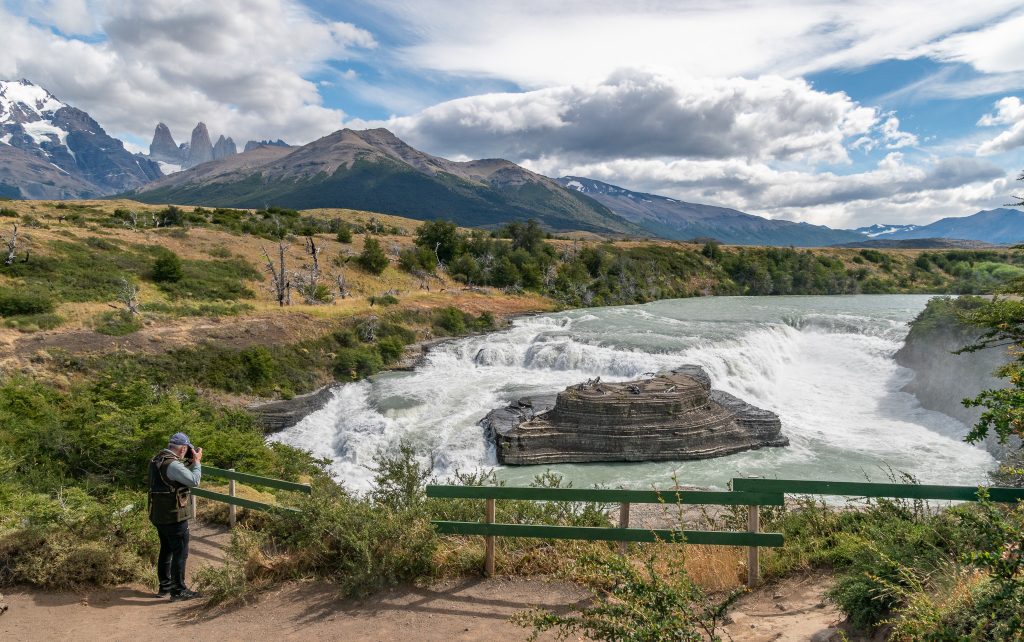
Back on Rt 156, we drove for a short distance before turning off onto Rt Y-166 toward Cascade Rio Paine, a very worthwhile and scenic detour.
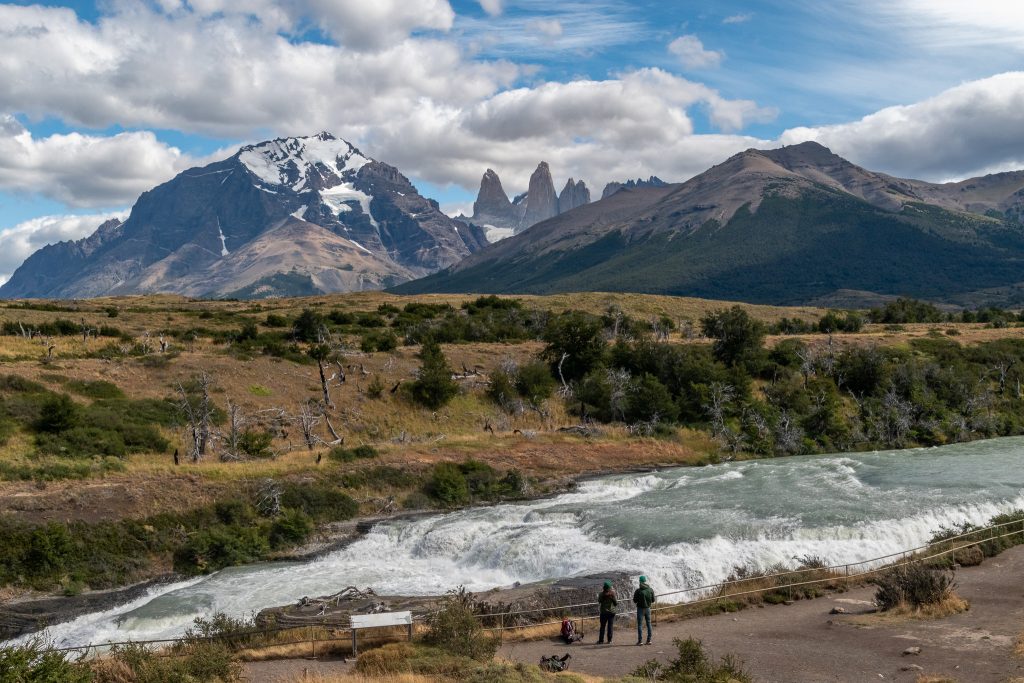
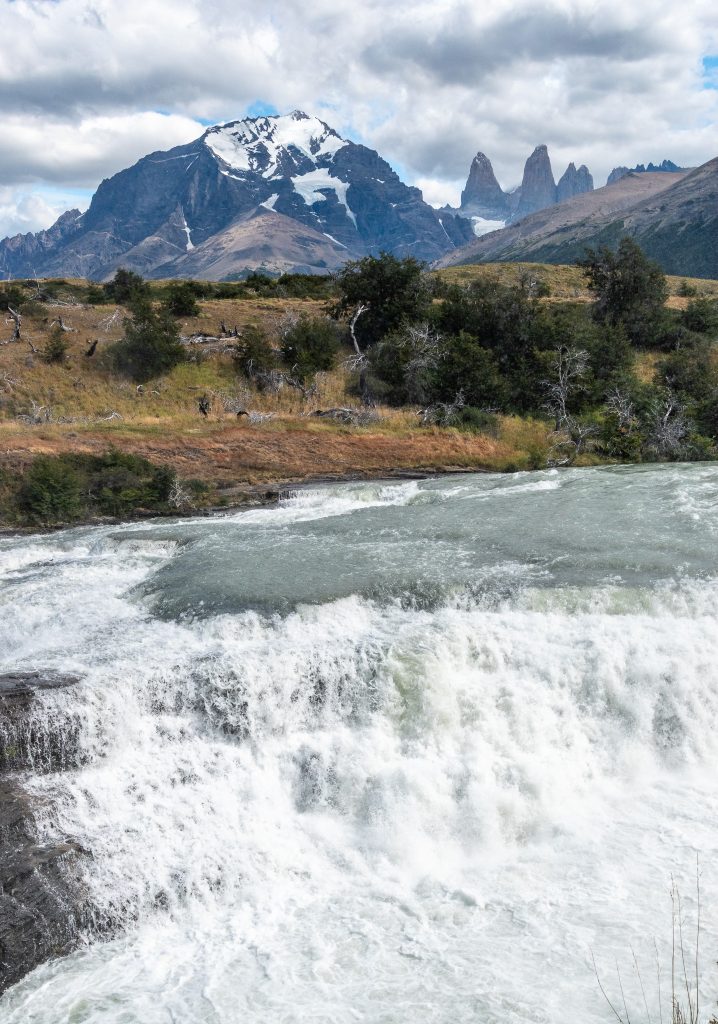
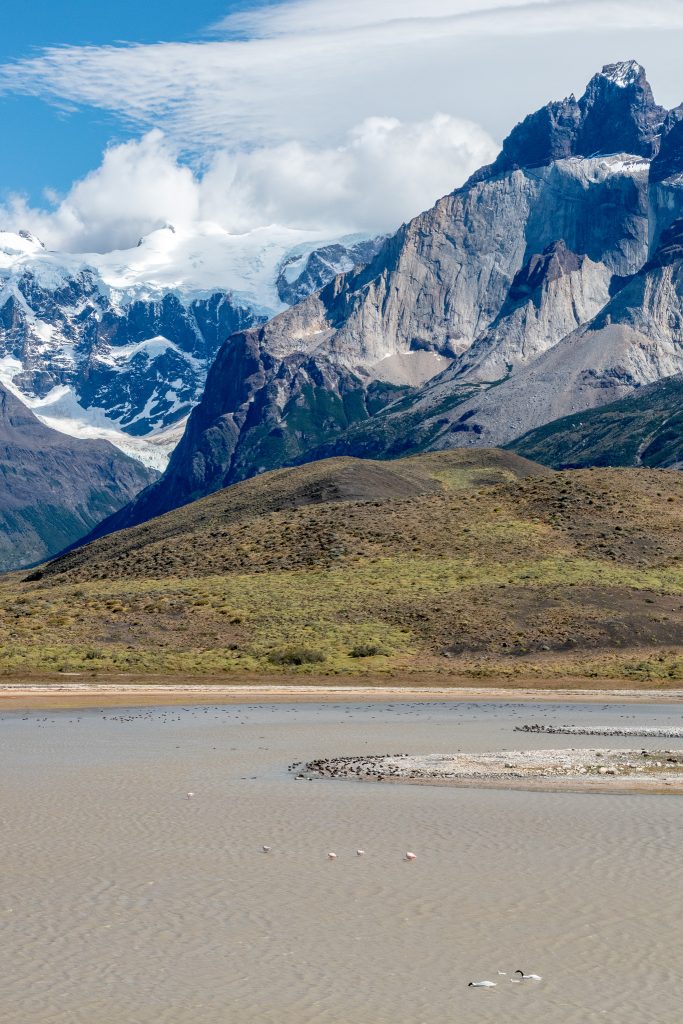
Backtracking to Rt Y-156, we followed it east around Laguna Amarga, where a few flamingos called this lake home.
Eventually, Rt Y-156 connected again with Rt Y-150, which then led us to RT 9. Along the way, the Lago Sarmiento overlook gave us one last amazing view of the mountains.
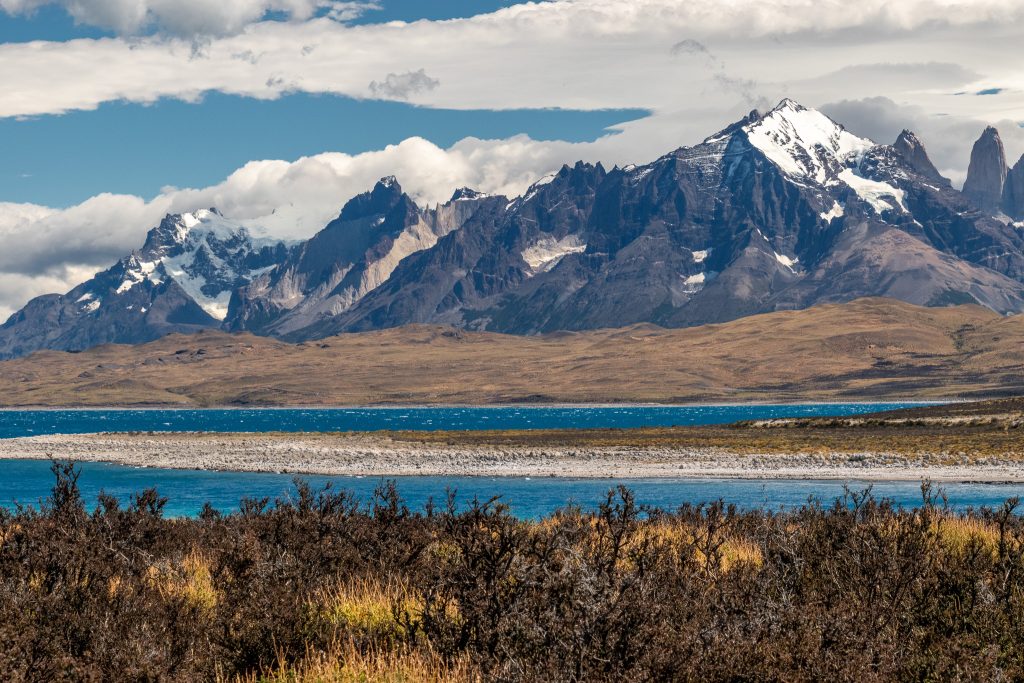
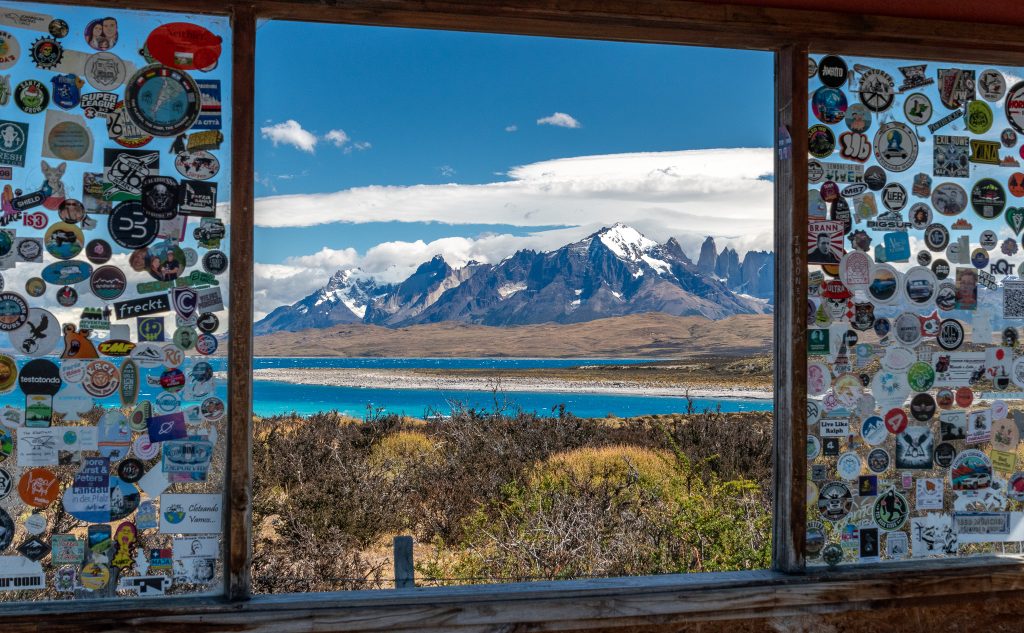
Once we left the views of the park behind us, we were once again surrounded by the grassy steppes and plains typical of this part of Patagonia.
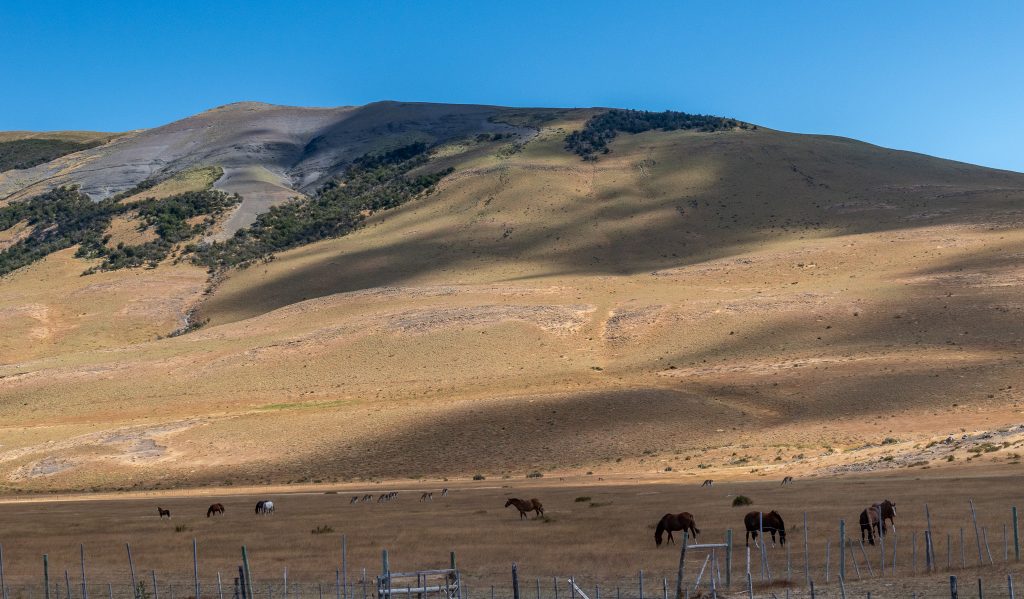
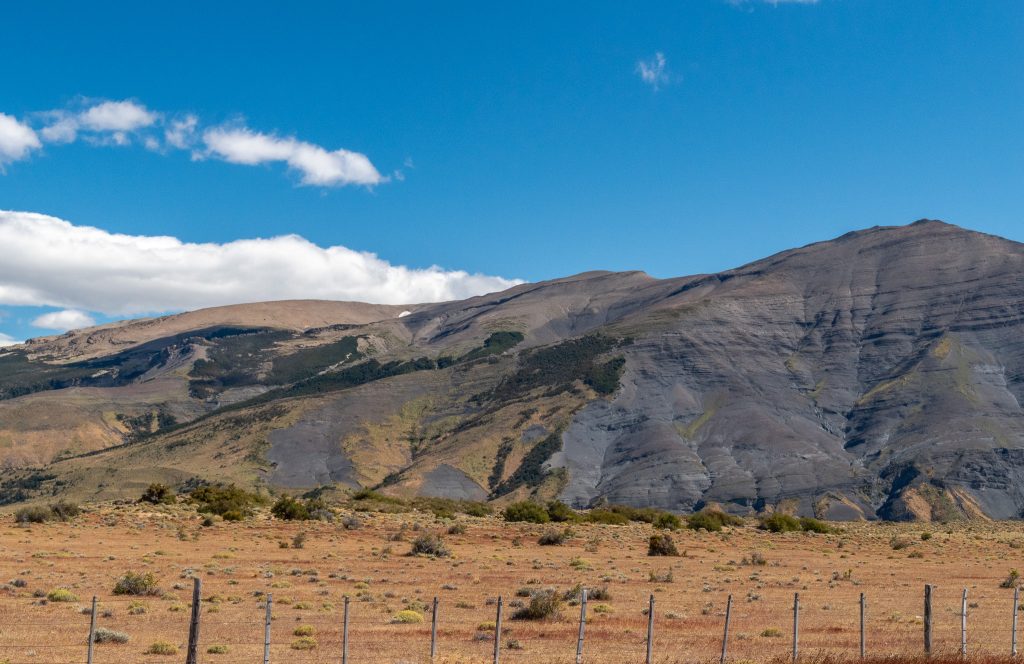
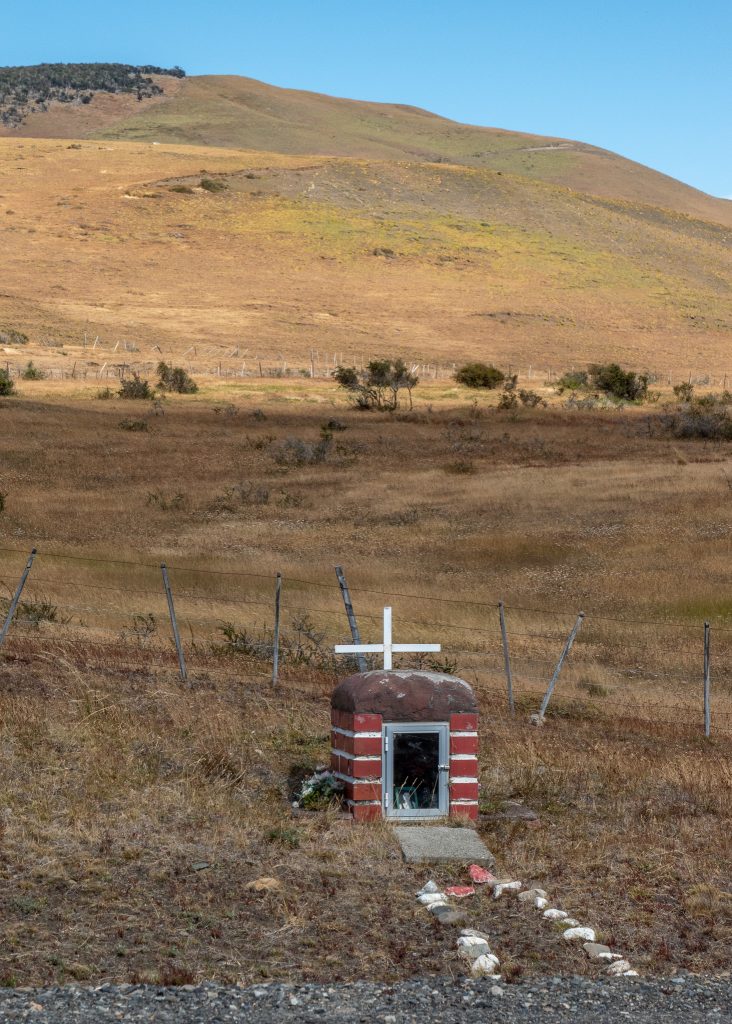
We continued our Patagonia journey for a few more days in Puerto Natales, as my husband tried his hand at fly-fishing in the region. He was able to catch a few large trout, which made him very happy.
While my husband fished, I took another drive north along Rt 9 just to see what the scenery was like.
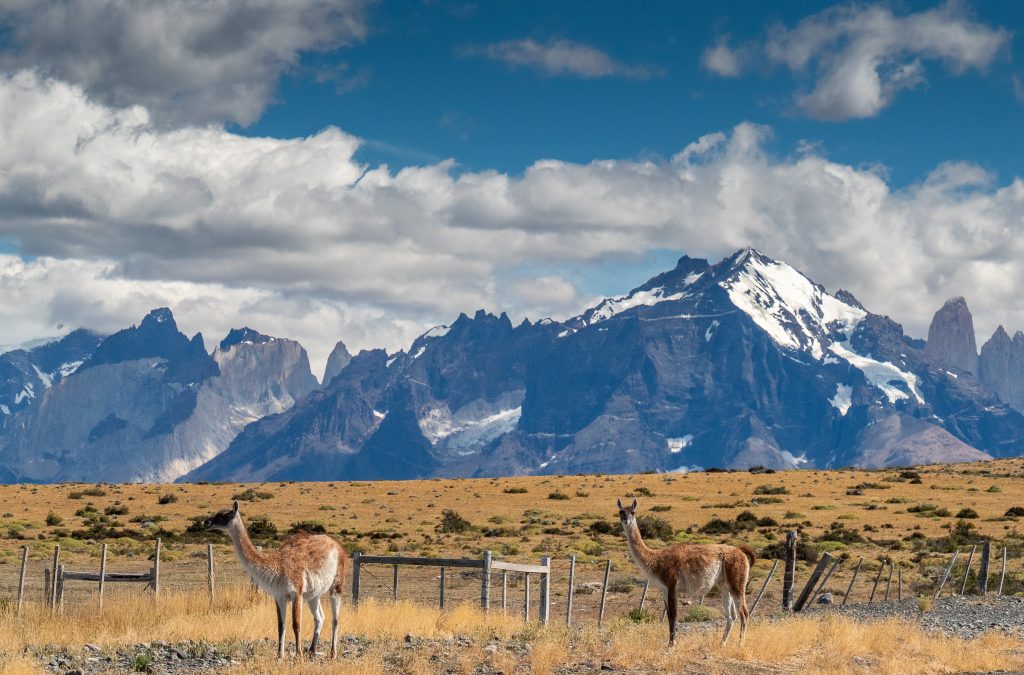
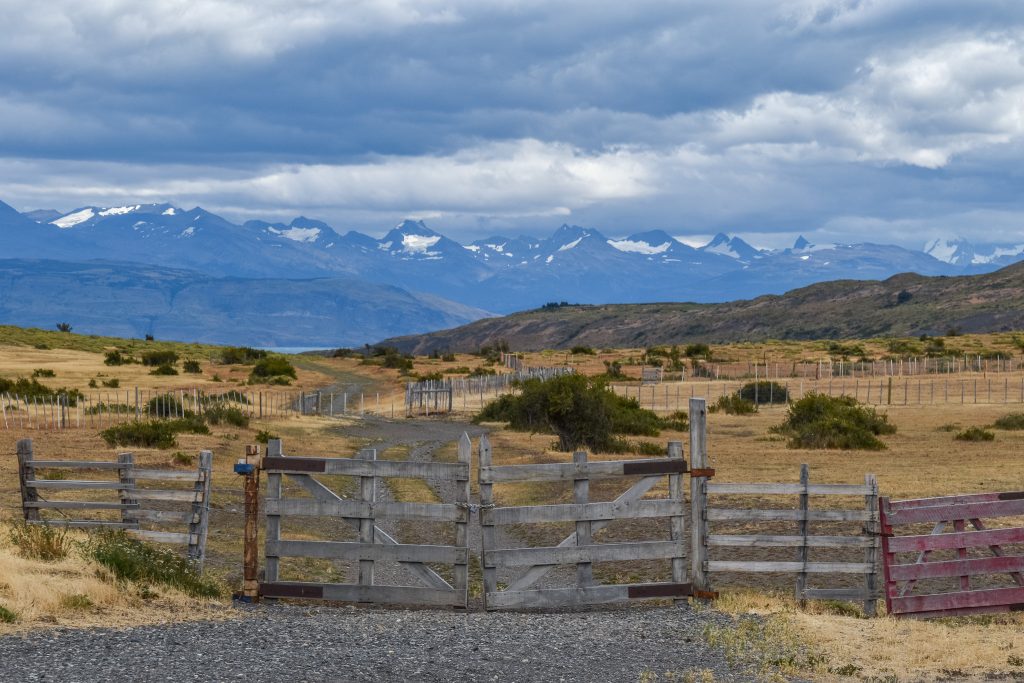
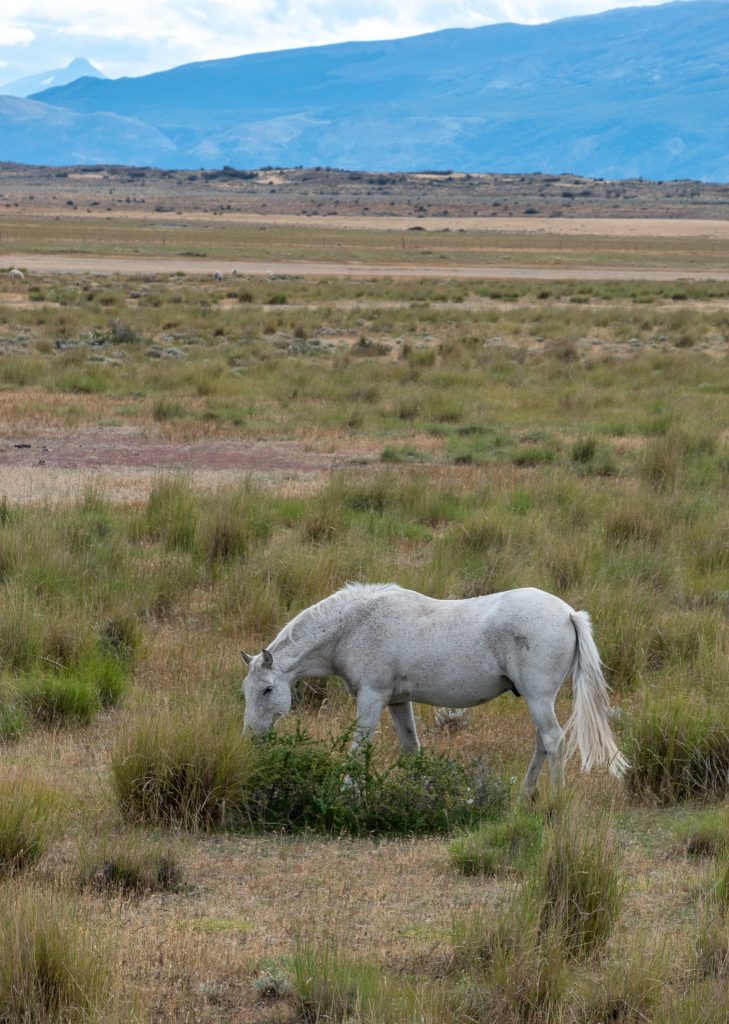
I will admit that our time in Torres del Paine was a pleasant surprise. Even though we didn’t do the famous treks the park is known for, we still enjoyed the incredible scenery, along with comfy beds, hot showers, and good food.
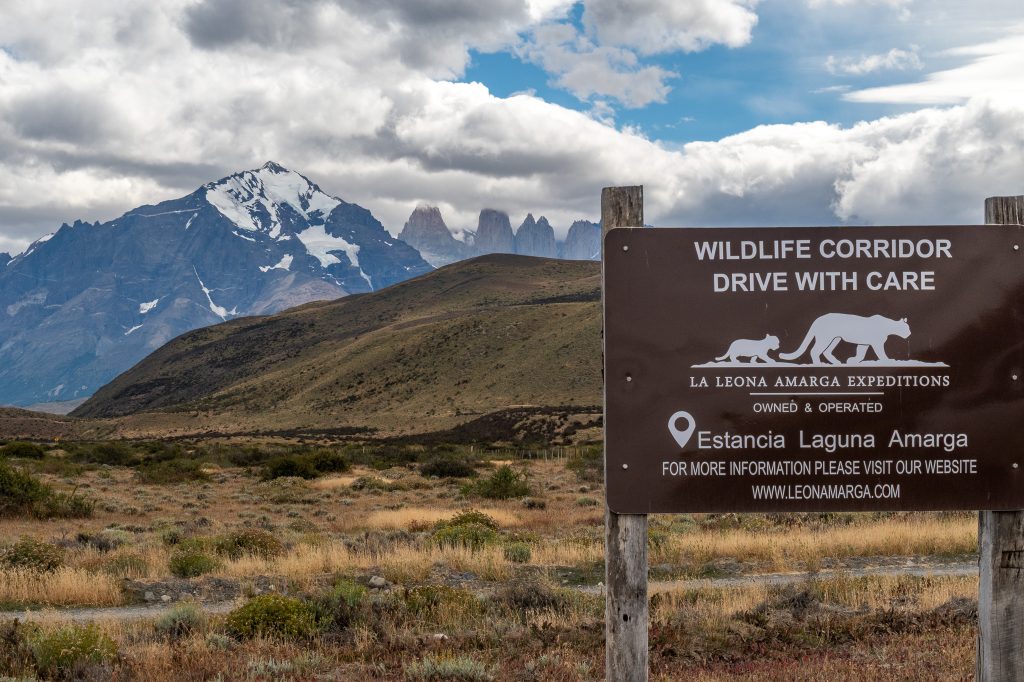
We could easily have driven through the park and seen the highlights in one day, but with multiple days, we had the freedom to take our time and soak in the views without feeling rushed.
Other Patagonia stories:
In Argentina Patagonia: Two Days in Los Glacieres National Park – The Best of Argentina’s Patagonia Region
Seeing Penguins in Punta Arenas: Two Days With the Punta Arenas Penguins
A week in Puerto Natales: Discovering Things to Do in Puerto Natales, the Gateway to Torres del Paine in Chile’s Patagonia
Our detailed Patagonia and Iguazu itinerary: My Independent Patagonia Itinerary With a Side Trip to Iguazu Falls
Things to do in Ushuaia: My Favorite Things to Do in Ushuaia, Argentina, The Gateway to the Arctic
Thanks for visiting.
Rose
Pin this!