Last Updated on 01/21/26 by Rose Palmer
Ahhhh………….
A huge sigh of contentment escaped my lips as I sank into the warm water. After a full day of sightseeing, the enveloping warmth was a soothing balm for tired feet and aching joints.
Like many others had done for thousands of years before me, I was “taking the waters” in Bath (UK). Over 2000 years ago, the Romans built the first thermal baths here. 200 years ago, Jane Austin’s family came here for the health benefits. Today, it was my turn, but my experience was in total modern comfort and luxury at the Gainsborough Bath Spa hotel.
My first visit to the city of Bath in the UK was on a whirlwind day trip from London, which started with a visit to Stonehenge, followed by a trip to the Roman Bath complex in Bath, and concluded with a tour of Windsor Castle. Whew!
This drive-by tour of Bath whetted my appetite, and I promised myself that I would return one day and spend more time exploring this unique destination. I finally had the chance to spend two days in Bath and was not disappointed.

Bath could easily be visited as a day trip from London. However, this time I wanted to spend a few nights so that I could explore this UNESCO-listed city at my leisure.
From London’s Paddington Station, it was about a 75-minute direct train ride to the Bath Spa train stop. Trains ran about every 30 minutes, so I just took the one that was most convenient for my schedule.
My 2 days in Bath itinerary
I discovered that Bath’s historic core is quite small and very walkable. It was a 15-minute stroll from my room at the Gainsborough Hotel to the Royal Crescent, located at the outer edge of the historic area of interest. All the other sights were located within this area.
Day 1
- Arrive in Bath early and check into the hotel.
- Take the Toot Bus Hop-On Hop-Off red line tour for 50 minutes to get oriented in the city.
- Visit the Jane Austen Centre
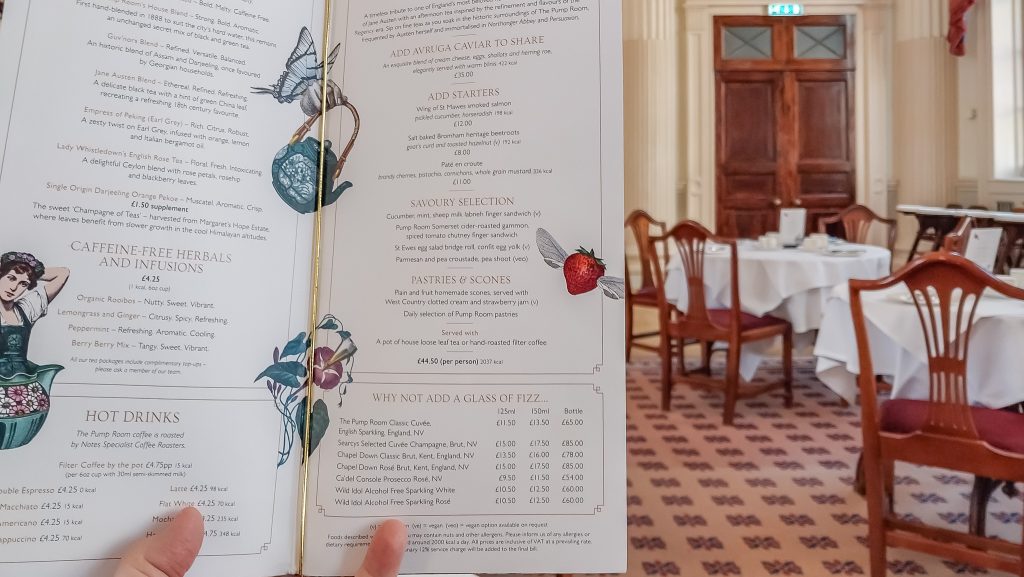
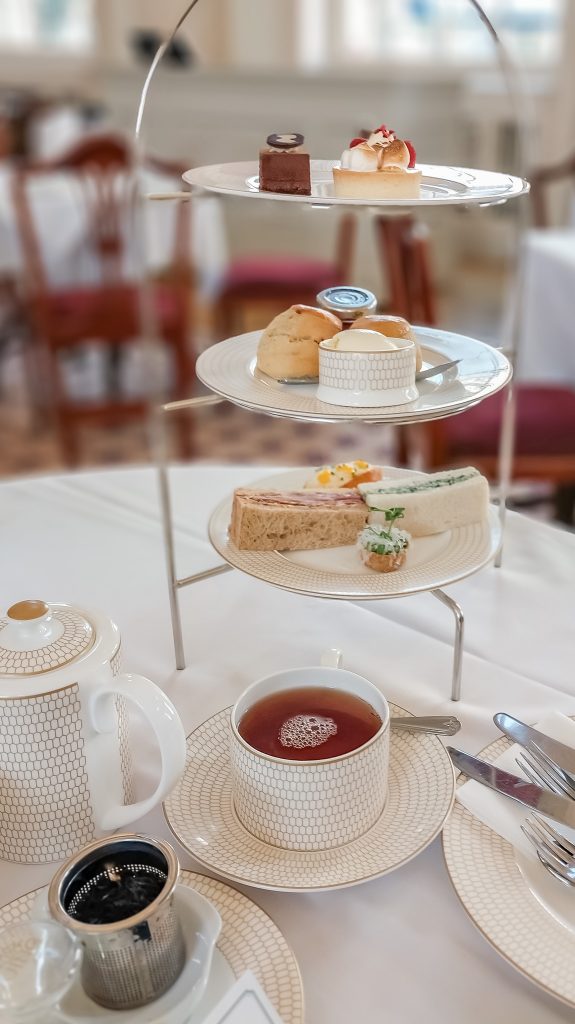
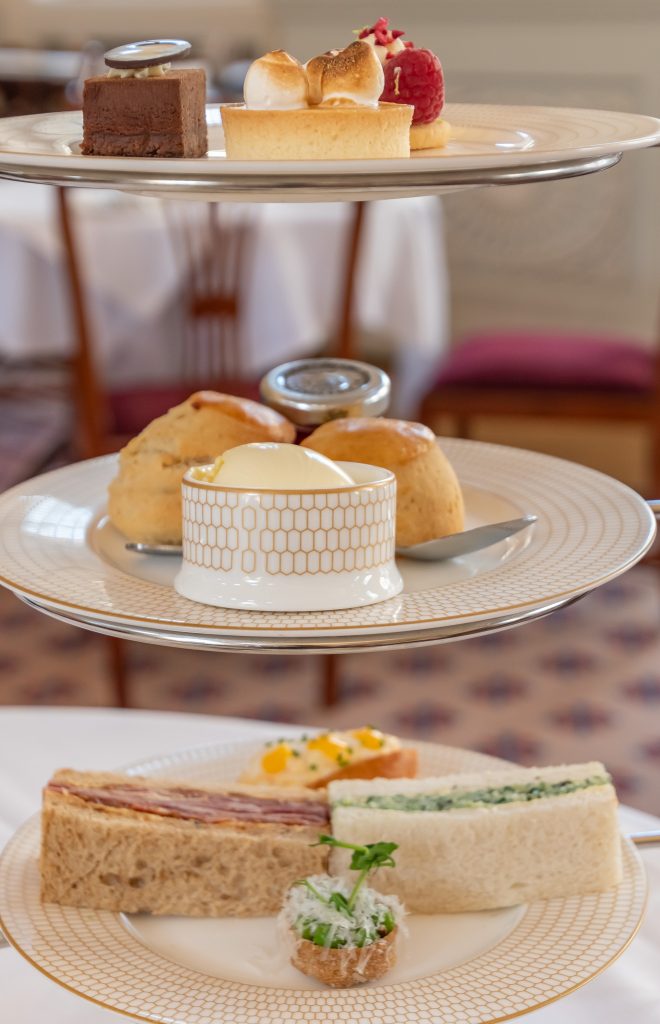
- Jane Austen afternoon tea at the Pump House overlooking the Roman Baths
- Visit Bath Abbey
- Tour the Roman Baths
- Dinner at the Gainsborough
- Spa time and thermal baths at the Gainsborough Spa Hotel
Day 2
- Walk to the Bath Circus and the Royal Crescent
- Take an Uber to the American Museum and Gardens; lunch at the museum cafe
- Do a walking tour with a Jane Austen expert
- Heritage afternoon tea at the Gainsborough Hotel
- Walk around the historic streets and across Pulteney Bridge
- Dinner at Sally Lunn’s Historic Eating House
- End the day with some more time in the thermal baths at the Gainsborough Hotel
My stay at the Gainsborough Bath Spa Hotel
I knew that Bath’s historic core was quite compact and easy to explore on foot, and I wanted to stay in the middle of it. Set within two historic buildings that were once hospitals where patients came to be cured by the “baths,” The Gainsborough Bath Spa Hotel was the perfect choice for me. Since the hotel was an easy 7-minute walk from the train station, I just strolled there after I arrived by train.
My deluxe room was beautifully appointed and was a soothing retreat after a full day of walking around town. The bathroom was spacious with a nice walk-in shower. The minibar area featured a convenient coffee and tea station, with complimentary items in the small fridge, which was a nice touch.


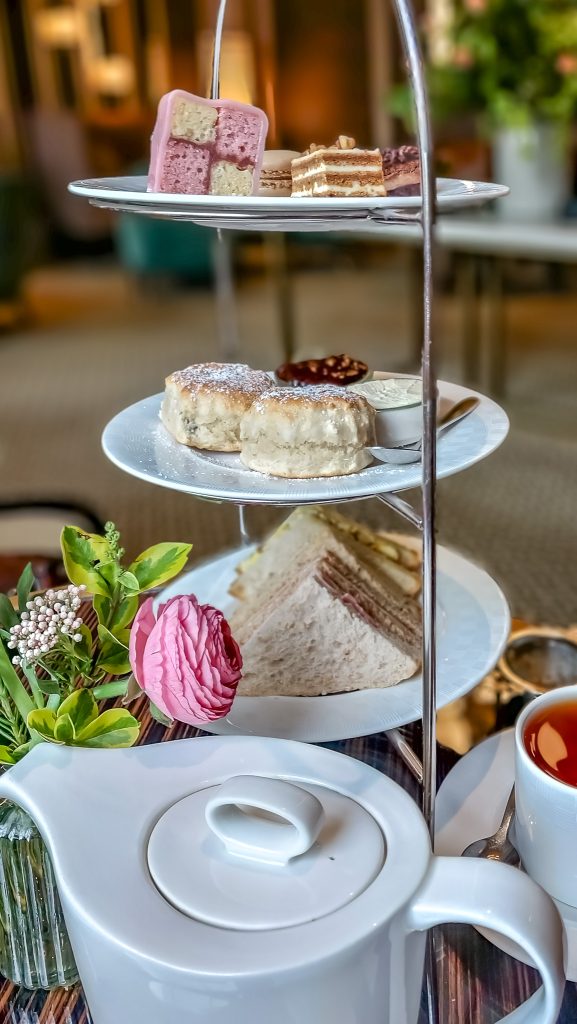
I had a very lovely afternoon tea at the hotel, along with dinner in the restaurant. After a day of sightseeing, it was a pleasure to enjoy a good meal at the end of the day and then easily take the elevator back to my room.
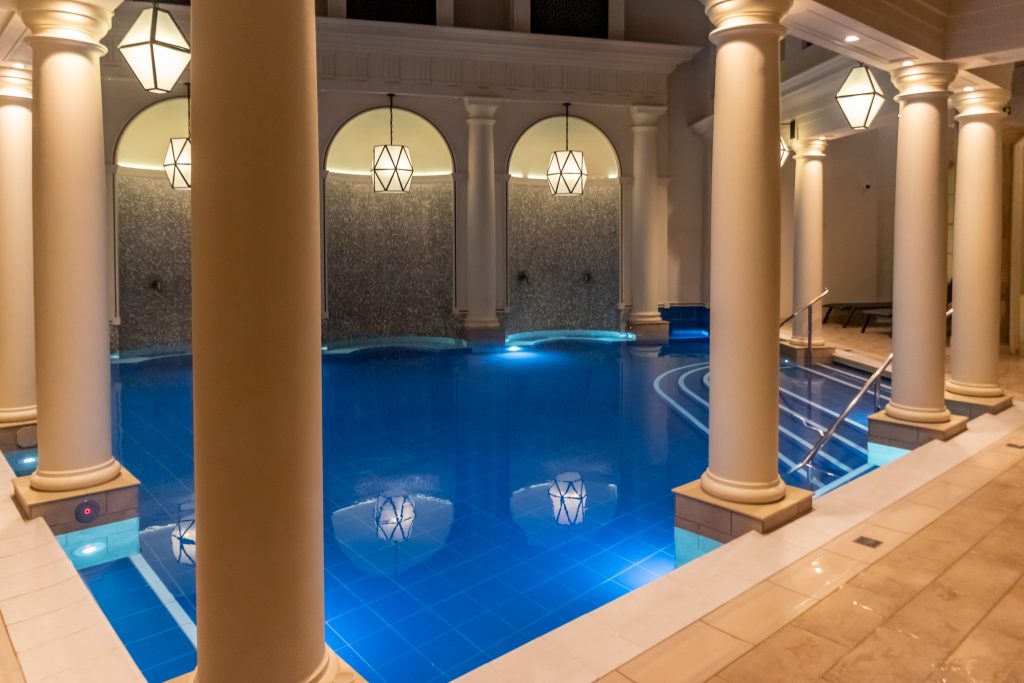
The hotel’s highlight, however, was the spa area with its many thermal baths. The Gainsborough is the only hotel in Bath that utilizes the thermal waters for which the city is renowned.
As a hotel guest, I had complimentary access in the morning and evening to the full circuit of baths. Along with the thermal baths, I could also enjoy the saunas, steam room, ice chamber, and elegant relaxation rooms. I also treated myself to a soothing facial in the spa.


After walking and sightseeing all day, soaking in the hot baths felt very indulgent and soothing. The bath circuit included three thermal baths at different temperatures, saunas, a steam room, an ice room, and lounging spaces. I especially appreciated the Roman-themed design elements in the spa and bath spaces.
The best part was that I could just head down the elevator in my hotel bathrobe, and afterwards, easily go back to my room, fully relaxed and ready for a good night’s sleep.


The Roman Baths
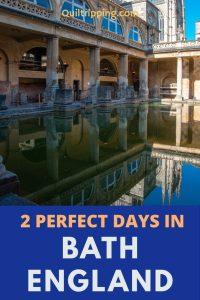
The main attraction in Bath is undoubtedly the Roman Baths.
The first baths were built here by the Romans around 70 ACE. For the Romans, bathing was more than just about getting clean. It was a deeply ingrained cultural practice that was part of their health philosophy. Their ritual around hot baths, cold baths, and steam was all about keeping their body in healthy balance.
The museum does a great job describing the various areas within the site in the context of Roman culture. The baths are no longer open for swimming, but it is fun to imagine what it would have been like in its prime.
The buildings surrounding the baths that we see today are Georgian in design and were built in the early 19th century. Just like the Romans, Jane Austen’s peers came here to take the baths for their health.


To ensure I could visit the site at my convenience, I pre-purchased my timed entry ticket before leaving home. I booked a late afternoon time when I thought the site would be less busy (and it wasn’t busy). I also made my Pump Room afternoon tea reservations at the same time (see below).
Discovering Jane Austen in Bath
250 years after her birth, Jane Austen and her novels continue to inspire new generations. Reimagined film versions of her stories still resonate with modern audiences, and her books have never gone out of print.
Even though Jane Austen only lived in Bath for a few years, the city has claimed her as its own. Tours, museums, shops, afternoon teas, and a huge annual festival all celebrate one of England’s most famous novelists.
A Jane Austen tour
The Gainsborough Hotel arranged a very interesting private walking tour for me that brought Jane Austen’s world in Bath to life. The lovely Dr Moira Rudolf from StrictlyJaneAusten tours interpreted the Regency sights within the context of Jane’s time in Bath.
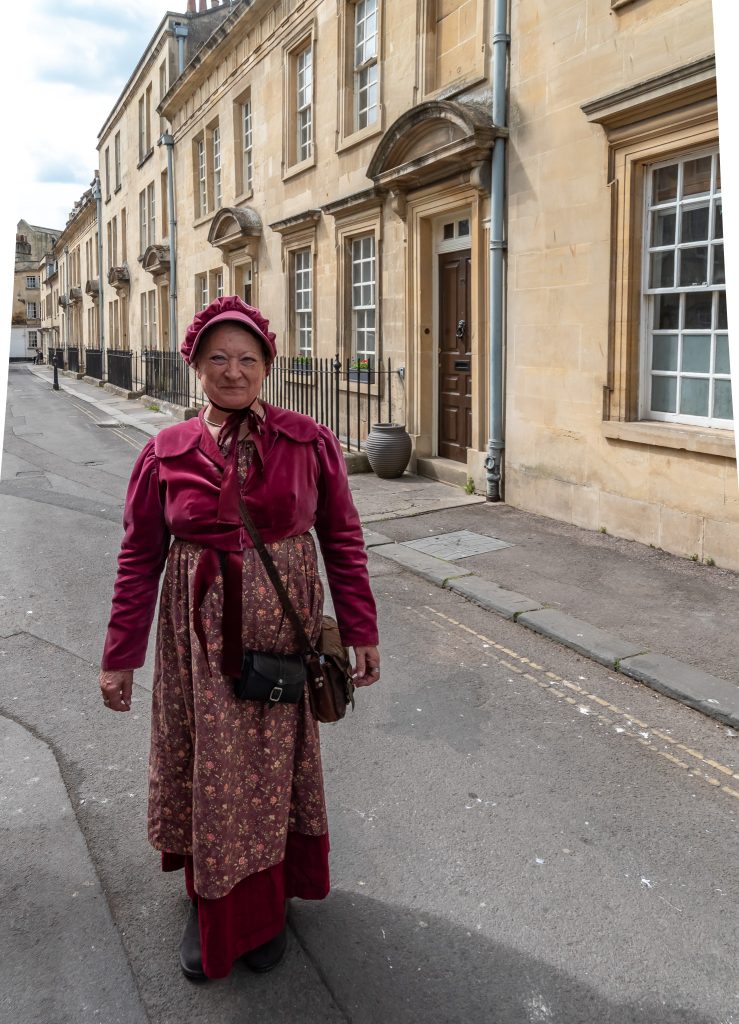
Jane Austen visited Bath with her family and also lived here for 6 years, where she had a love-hate perspective of the city’s social makeup. She found inspiration here for her novels, especially Persuasion and Northanger Abbey, which take place in Bath. She used her quill pen and sharp wit to comment on Bath’s strict social norms in her novels.
Many of the historic Regency buildings that surrounded Jane when she lived there are still present today, including one of the buildings she called home. This makes it easy to picture what Bath was like in Jane’s day, especially when tourists and guides walk around in period costumes.


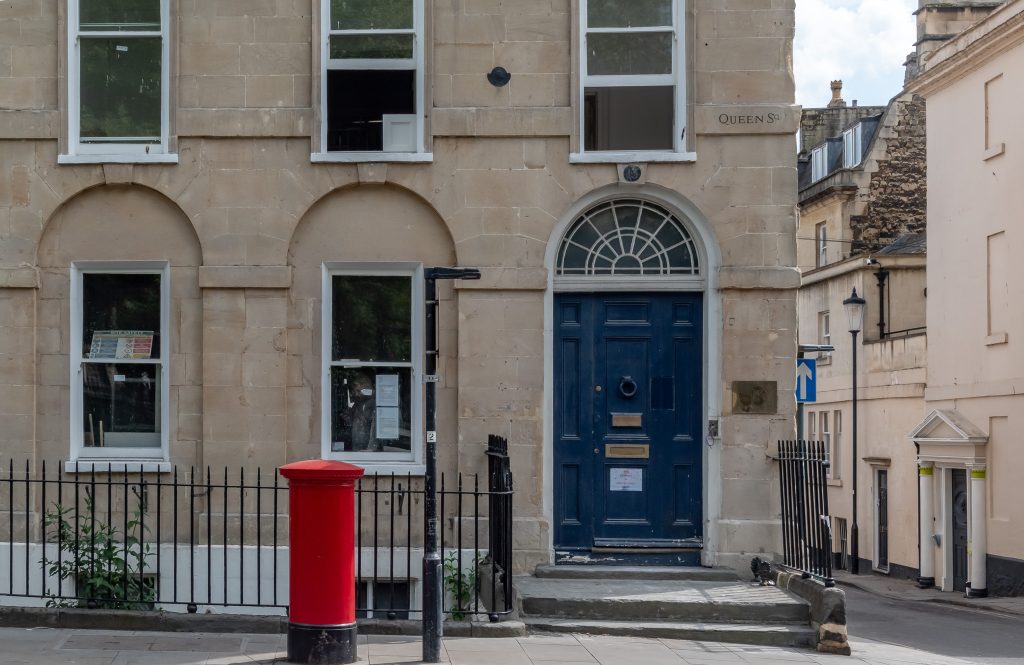
In fact, the city of Bath has adopted Jane Austen as their poster girl. Each year in September, the city hosts a 10-day Jane Austen festival complete with a large costumed promenade, costumed balls, performances, and more.
Jane Austen Centre
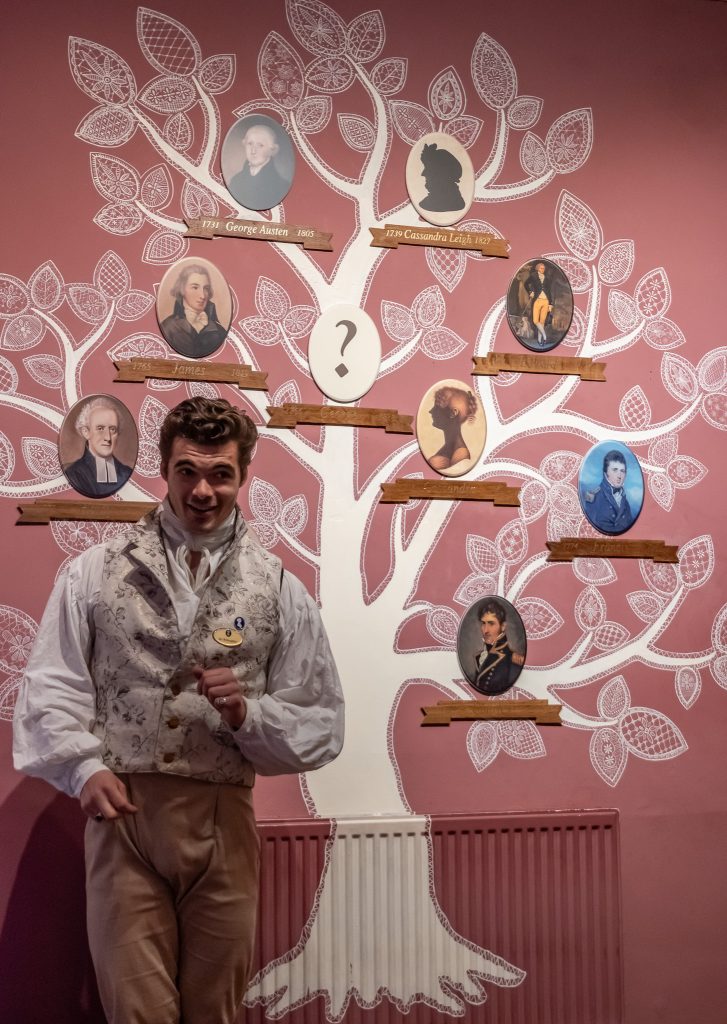
The Jane Austen Centre in Bath celebrates all things Jane. My visit to the museum started with an introduction by “Mr. Willoughby”, who was dressed in period costume. He described Jane’s family and Jane’s life in Bath. Then I explored the museum on my own.
Displays described life and society in Regency Bath and show a detailed timeline of Jane’s short life. There were period costumes I could try on and have a photo taken with a Mr. Darcy wax figure. The museum gift shop also sold plenty of Jane Austen and Regency memorabilia.


The Pump Room
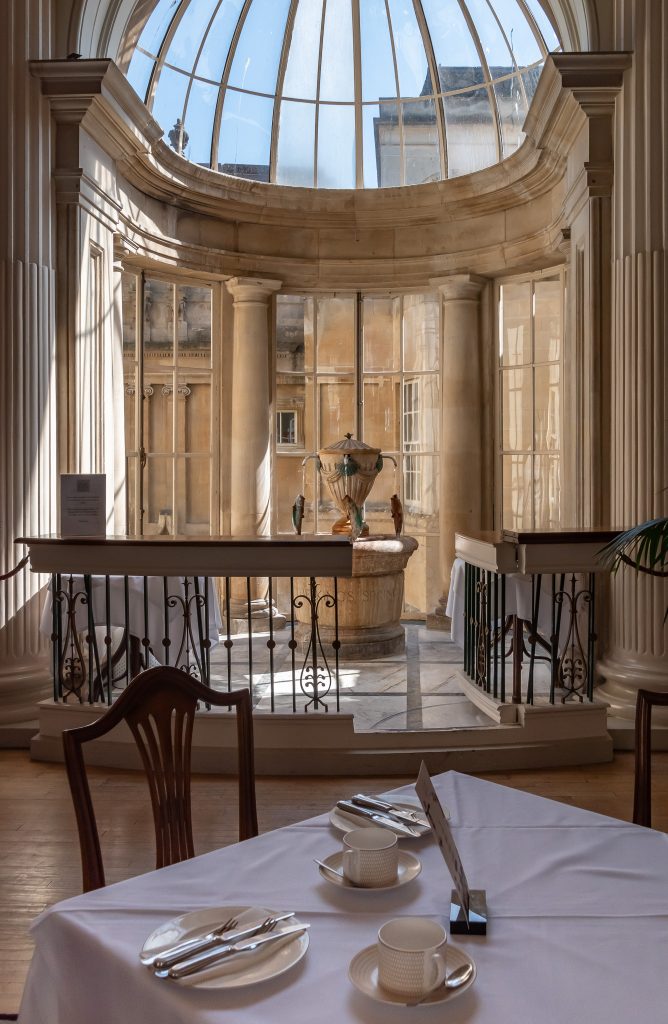
Jane Austen and her social set took tea in the Pump Room, overlooking the historic Roman Baths. That same experience is still available today.
Before leaving home, I made reservations at the Pump Room for the 2 PM Jane Austen Afternoon Tea seating. The experience was really lovely, especially with the Pump Room Trio playing music in the background.
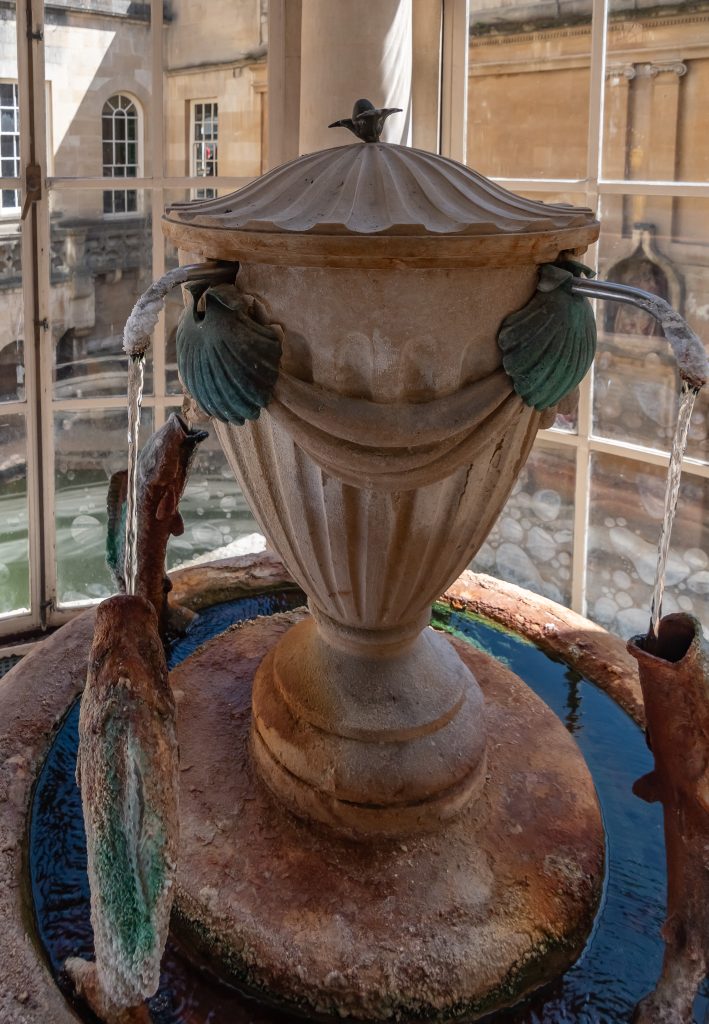
The Pump Room also has a fountain that offers a taste of the thermal waters, just as it did in Jane’s day. I had a brief taste of the slightly sulfur-tasting liquid. It was an interesting taste to try once.

Quilts at the American Museum
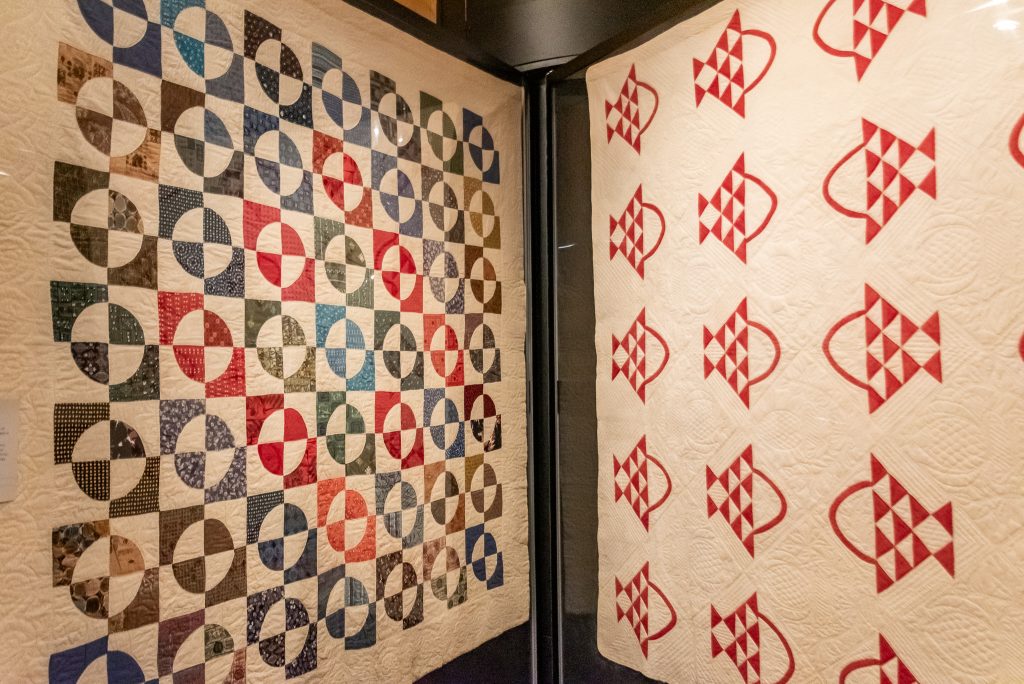
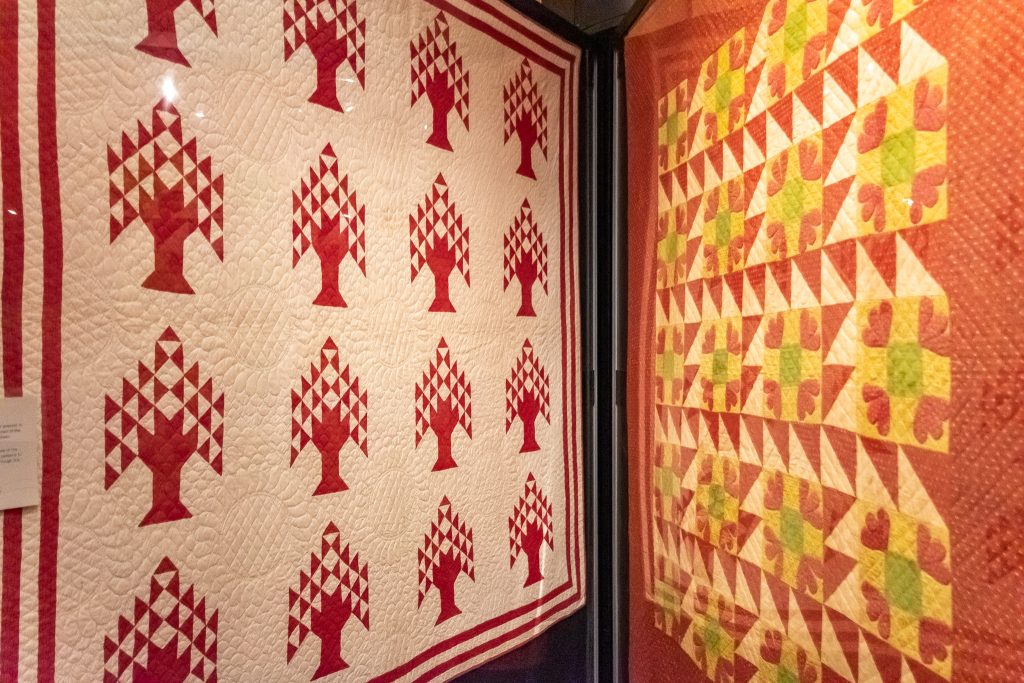
As an American, I did not need to go to the American Museum in Bath to learn about American culture. But as a quilter, I was interested in seeing the quilt collection.
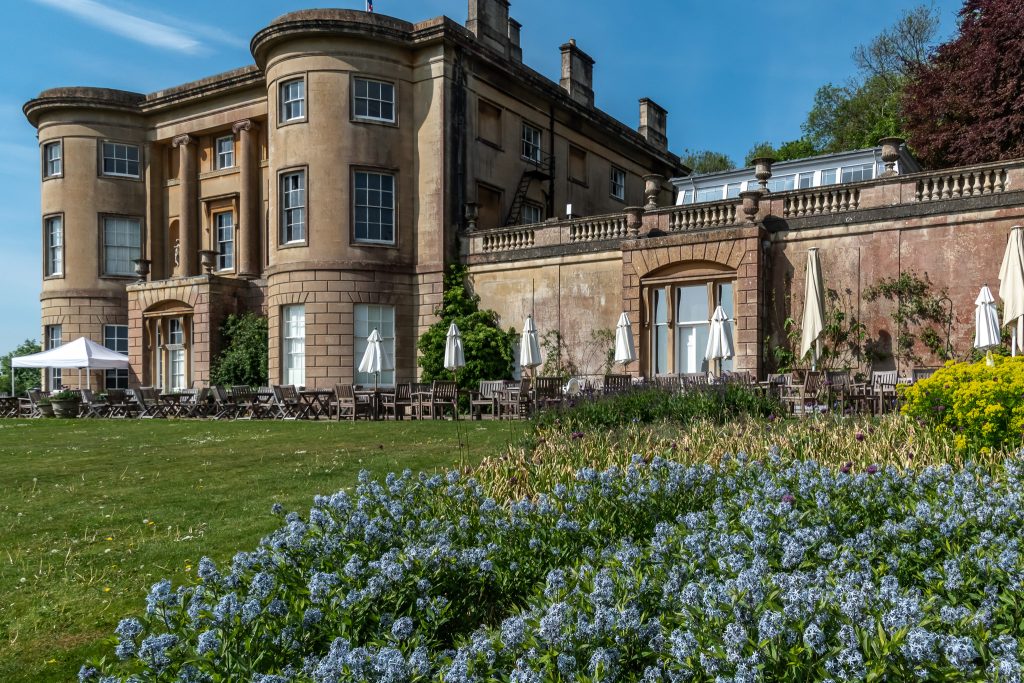
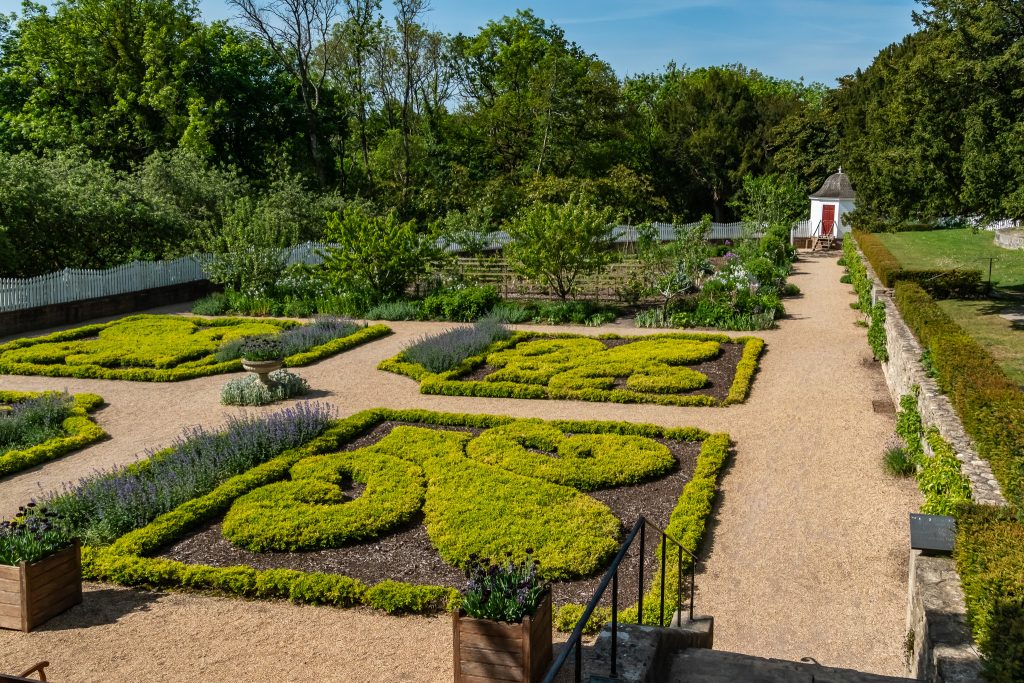
The museum was a bit out of the way, outside of Bath, so I took an Uber to get there. I enjoyed exploring the beautiful gardens surrounding this manor house, along with the quilt display inside. The quilt collection spanned classic examples as well as modern designs.
My other favorite things to do in Bath
Toot Bus
The Toot Bus is Bath’s version of the hop on-hop off bus tour. There are two routes. The red route gives visitors access to the main sights in the central, historic part of the city. The blue route goes further afield.
I used the red route to get a guided overview of Bath and to get my bearings. This helped me decide which sights I wanted to walk to and spend more time exploring.


Bath Abbey
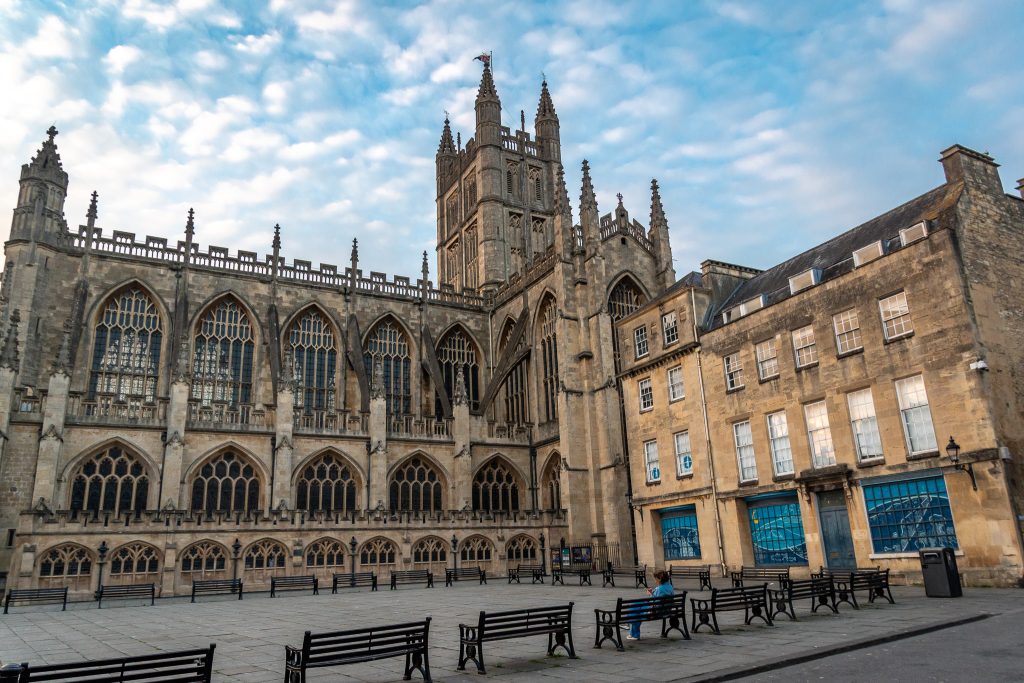
Built next to and towering over the historic Roman Baths sits Bath Abbey. The first church was founded here in the 7th century. The building has been rebuilt and restored numerous times since then to create this stunning architectural masterpiece.
The inside of the church is surprisingly bright and airy, with large stained glass windows and a beautiful fan vaulted ceiling.


Bath Circus
The Bath Circus is a beautiful circular group of Georgian townhouses built in the 1750s. This lovely setting was an easy 12-minute stroll from my hotel. In the center of the circus, a green space has plane trees that are over 200 years old.

Royal Crescent
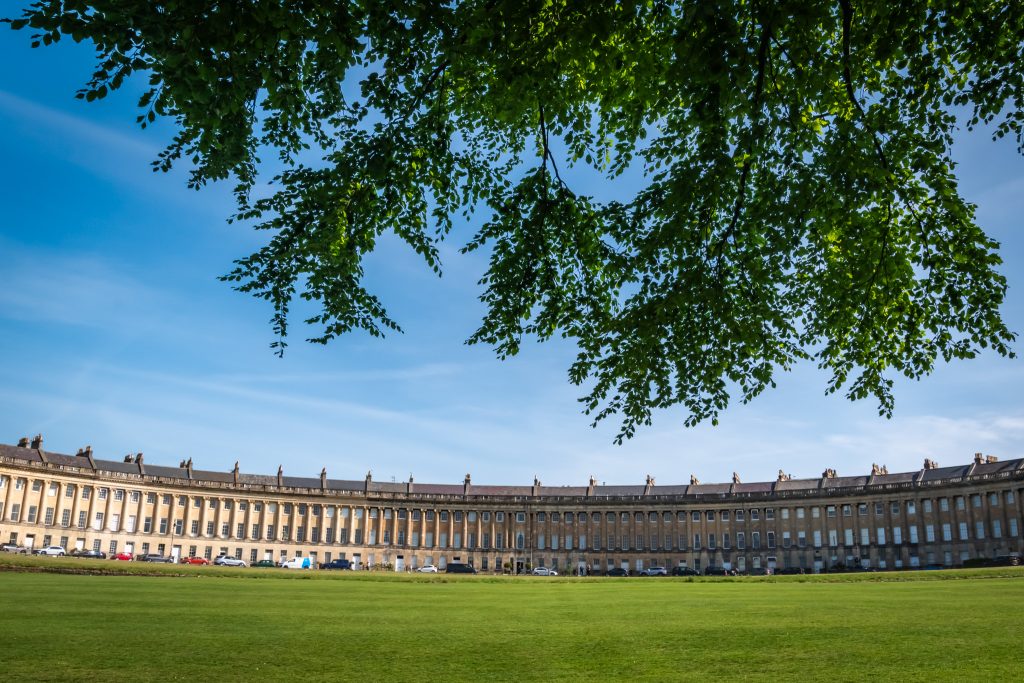
Bath’s Royal Circle is one of its iconic sights. Along with the Royal Circle, this collection of Georgian townhouses designed by John Wood the Younger forms a cornerstone of Bath’s UNESCO World Heritage site designation.
No.1 Royal Crescent houses a museum that gives a historic peek into Georgian lifestyle, both upstairs and downstairs. Bridgeton show fans will recognise this building as the Featherington home in the acclaimed TV series.
Set in the middle of the crescent sits the Royal Crescent Hotel and Spa, a luxurious option for those looking to stay in authentic Georgian surroundings.
Pulteney Bridge
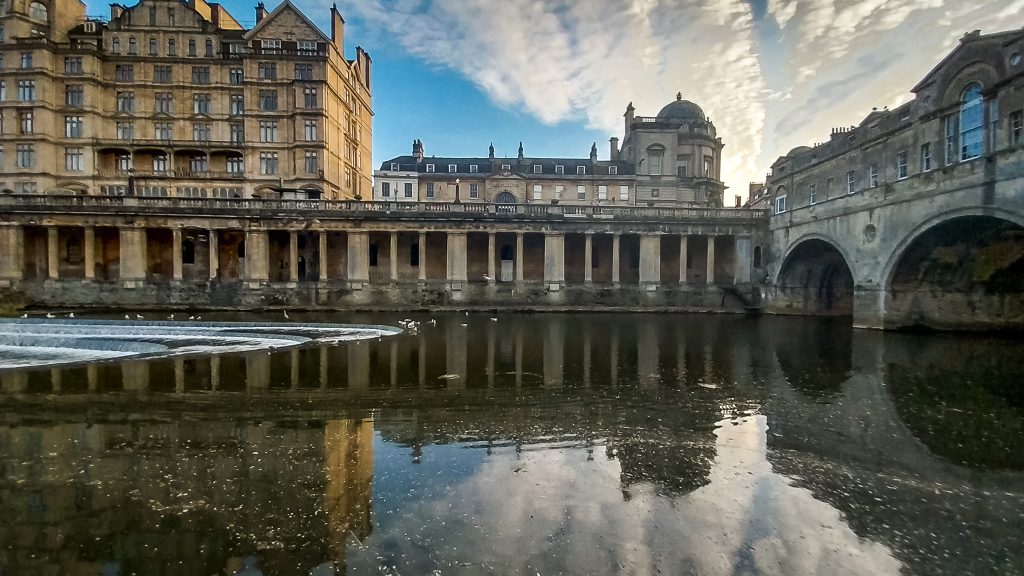
Connecting the two sides of the River Avon, the Pulteney Bridge is one of 4 bridges left around the world that have shops across its full span. The other bridges are the Ponte Vecchio in Florence, Italy, the Rialto Bridge in Venice, Italy, and the Kramerbrücke in Erfurt, Germany.
The bridge is built in the classical Palladian style. It was fun to browse the shops and little eateries lining the bridge.

Sally Lunn’s Historic Eating House
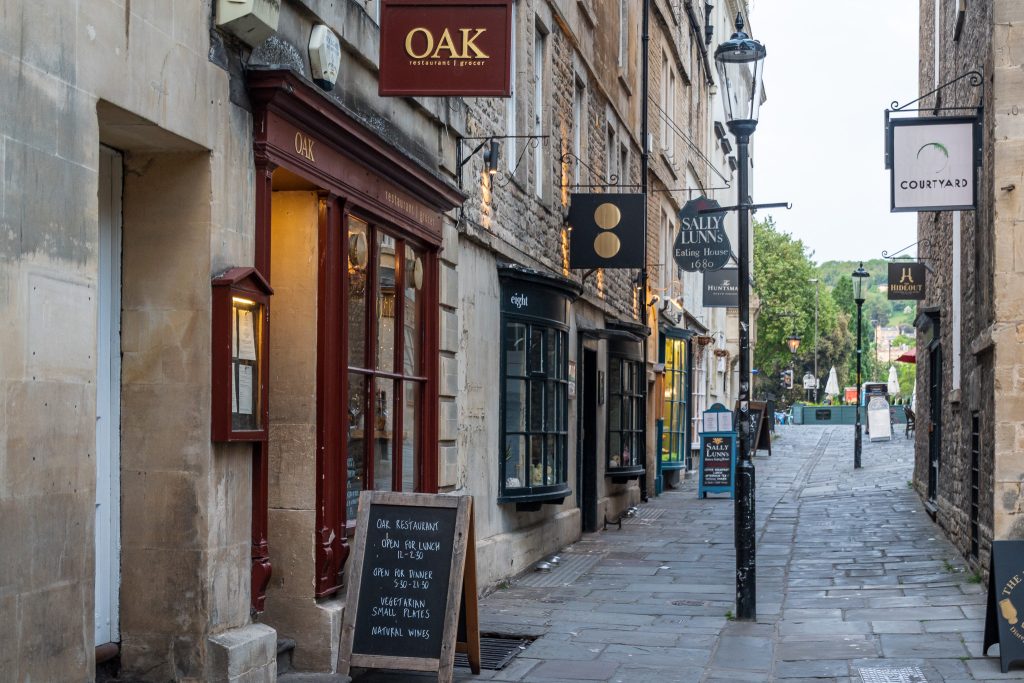
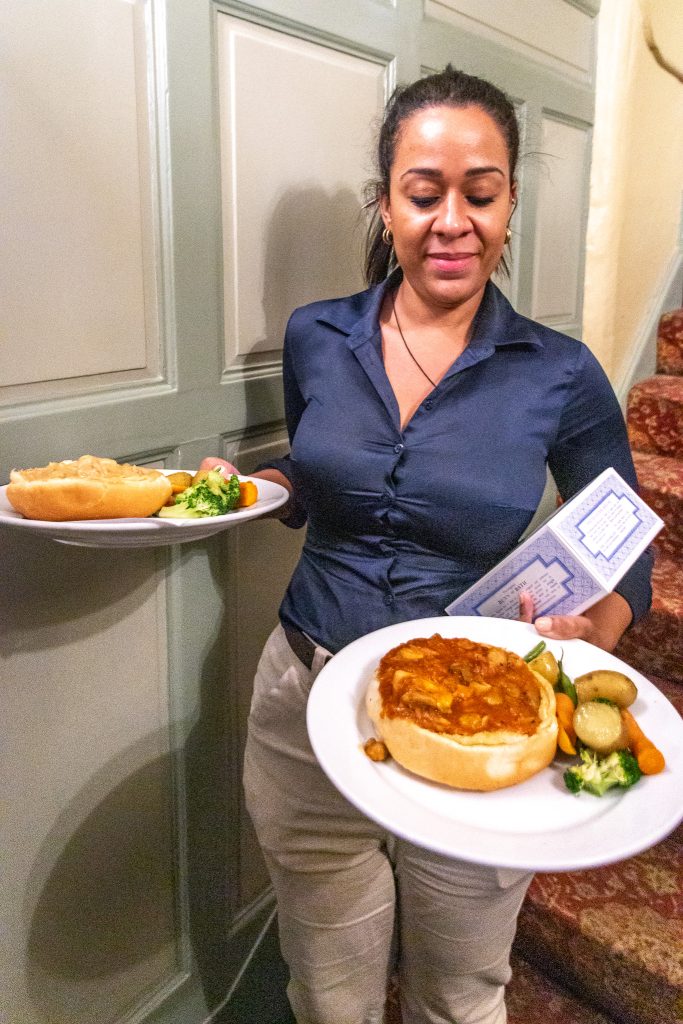
The large Sally Lunn buns served here use the same recipe brought by Huguenot Solange Luyon in 1690. The restaurant sits in Bath’s oldest building and serves breakfast, lunch, and dinner.
Wander the historic streets
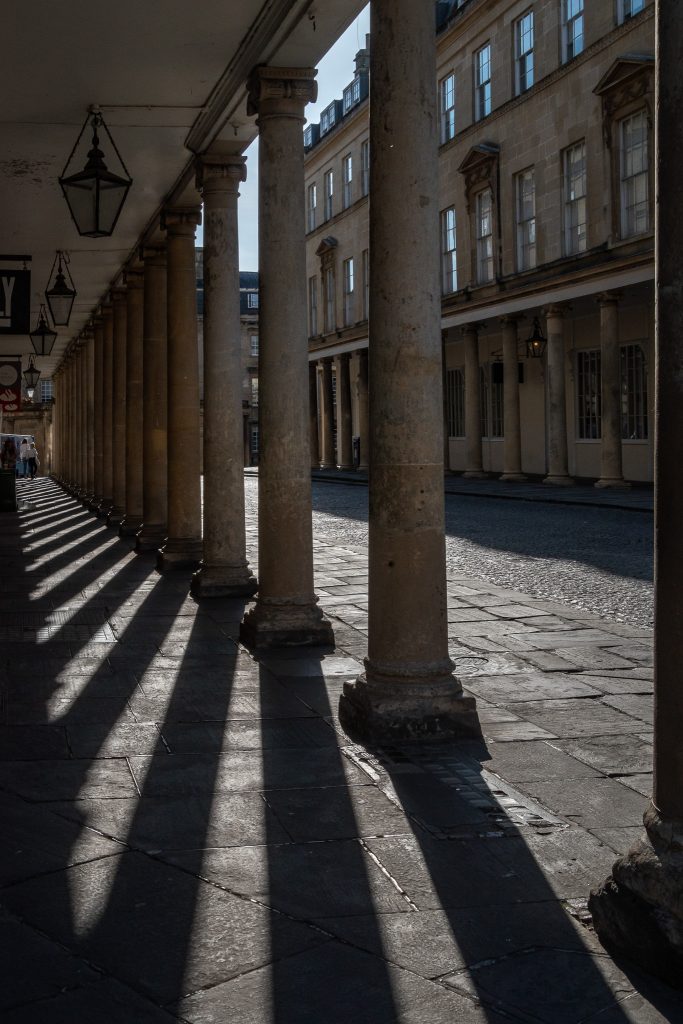
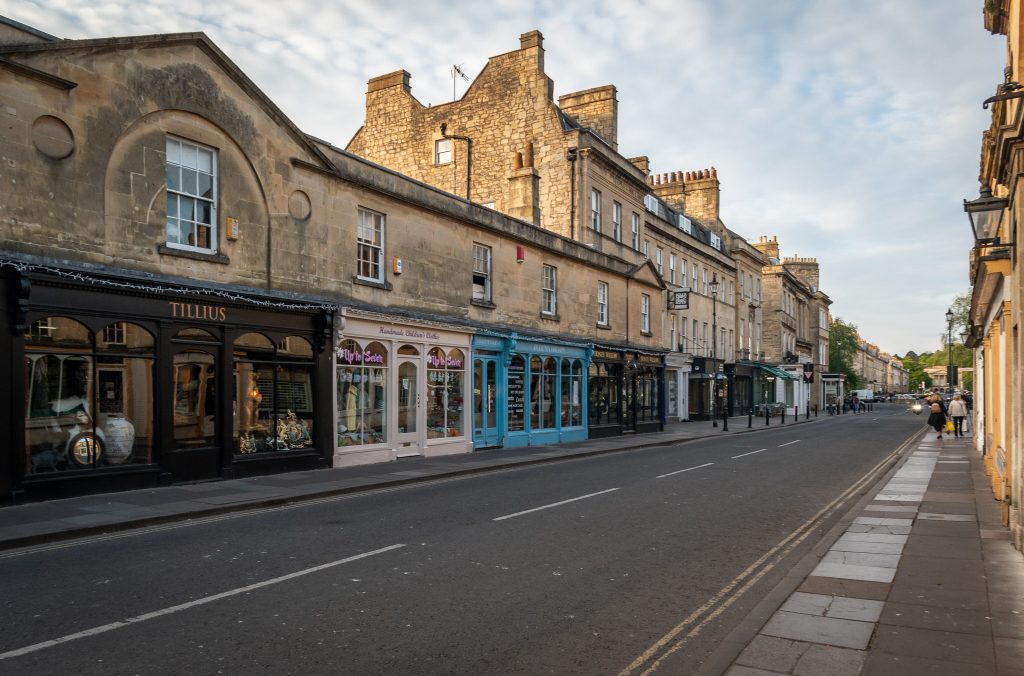
What makes Bath so charming is its well-preserved architecture. Although storefronts may display modern wares, the setting remains very much the same as it was in Jane Austen’s day.
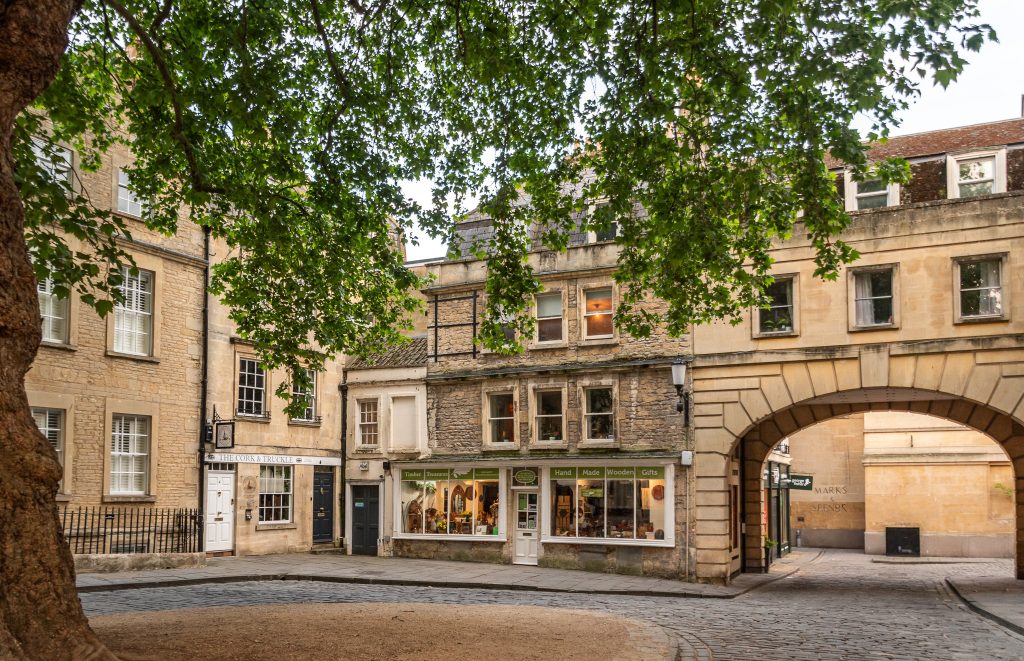
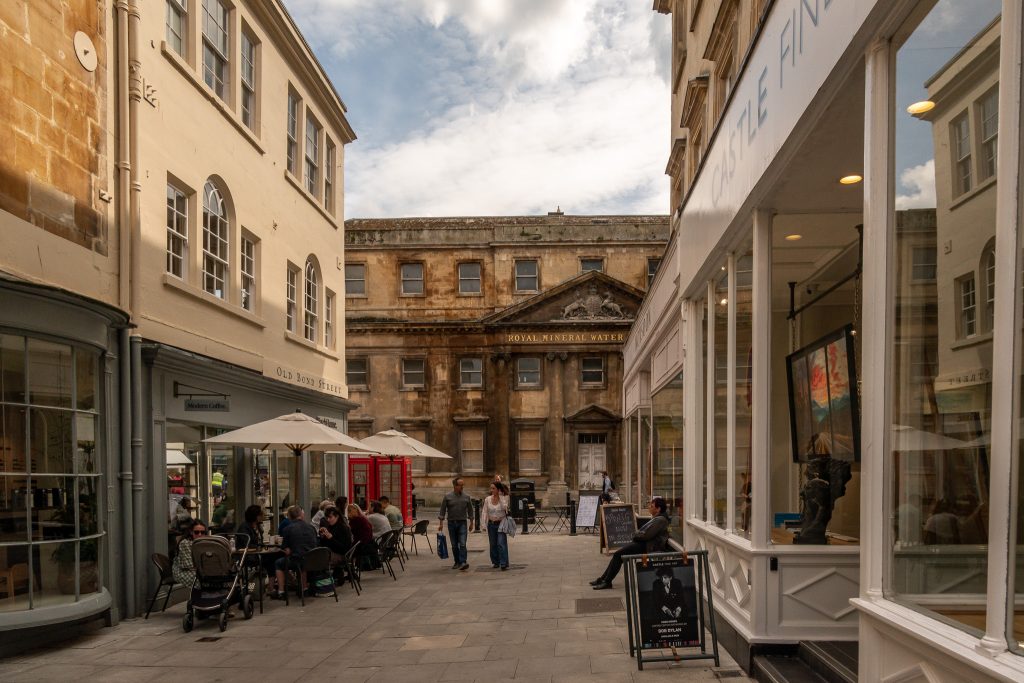
During my two days in Bath, I certainly had time to take in all the major sights. Though I could easily have stayed longer and savored the atmosphere.
Other stories about UK travels:
Barge cruising in England: My Magna Carta Barge Cruise Review – History, Heritage, and Haute Cuisine on the River Thames
A visit to Highclere Castle: Touring the Real Downton Abbey – Channeling my Inner Countess With a Visit to Downton Abbey
Remembrance Day celebration in London: Remembering With Poppies – A Photo Essay
Please note that my Jane Austen tour and afternoon tea at the hotel were hosted by the Dainsborough Hotel. All content and opinions are my own.
Thanks for visiting.
Rose
Pin this!